| OCR Text |
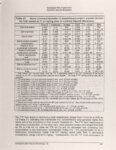
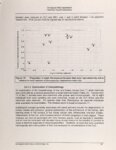
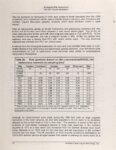
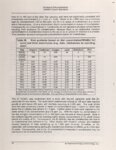
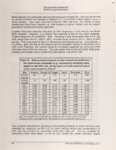
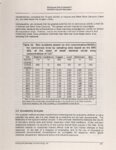
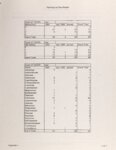
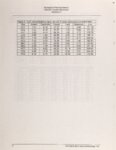
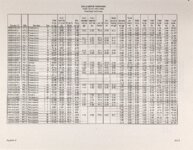
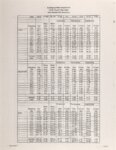
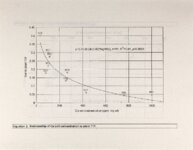
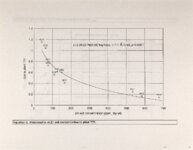
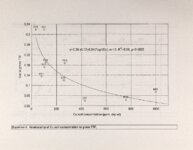
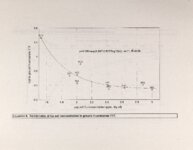
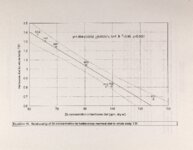
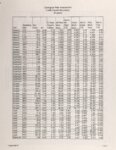
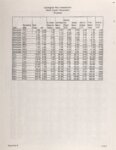
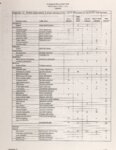
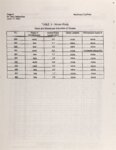
Show - Ecological Risk Assessment Northern Oquirrh Mountains carnivorous invertebrates was ranged from a high of 1.99 at a site with low concentrations in herbivorous invertebrates to a low of 0.54 at sites with high concentrations in herbivores. 1 The bioaccumulation of CoC by herbivorous mammals from their diet was evaluated by comparing the concentrations in whole bodies of herbivorous and granivorous mammals with average concentrations in their diets (Le., plants plus 2% of the soil concentration). The plant to herbivore whole body TTFs ranged from 0.12 for As to 3.0 for Se (Table 21). The plant to herbivore whole body TTFs for Zn exceeded 1.0 only at sites with the lower dietary concentrations. The TTF for CoC concentrations in diets of Peromyscus to their whole body concentrations ranged from 0.11 for As to 2.03 for Se (Table 21). Besides Se, the only other CoC with a calculated mean TTF greater than one was Pb at 1.27. 2.4 Characterization of Effects The small mammal surveys conducted in 1995 provided information on the species present, the numbers of animals per sampling site, reproductive activity, and the presence frequency of lesions in livers and kidneys related to CoC exposure. This section describes the results of the small mammal surveys and the differences observed among and sampling sites. 2.4.1 Results of 1995 Small Mammal Surveys The measurement endpoints for the small mammal surveys were 1) the number of species and number of individuals of each species captured 2) the number of female mammals that were currently pregnant or containing uterine scars indicative of pregnancy 3) the number and size of embryos and the number of visible uterine scars structural measurements of captured mammals and 5) evidence 4) body weights and of lesions from a histological examination of livers and kidneys. 2.4. 1. 1 Species and numbers captured specimens of five species of small mammals were captured on the 11 1) montane vole (Microtus montanus); 2) Peromyscus (both species); 3) Great Basin pocket mouse (Perognathus parvus); 4) western harvest mouse (Reithrodontomys megalotis); and 5) least chipmunk (Tamias minimus). Other their of vertebrates and were recorded tracks, sign (e.g., feces) sightings (Appendix 10). A total of 369 sampling sites (Table 22), including: Peromyscus were captured at all 11 sampling sites. Six Microtus were captured in Coon and Pine Canyons and L..ittle Valley Wash. Perognathus were captured in Black Rock and Pine Canyons. Reithrodontomys were captured only in Black Rock Canyon, and Tamias only in Pine Canyon. largest number of captures occurred in Kessler Canyon, followed by Pine Canyon (Table 22). All mammals captured in Kessler Canyon were Peromyscus, probably truei, the The 54 ecological planning and toxicology, inc. , 1 |