| OCR Text |
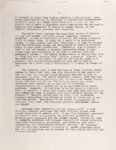
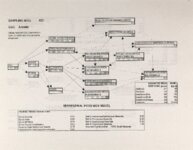
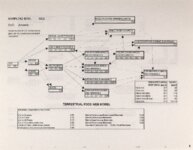
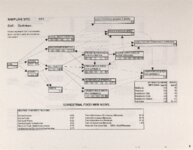
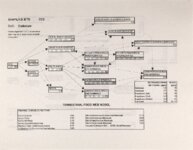
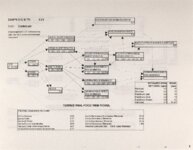
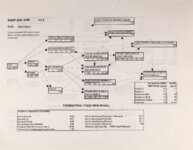
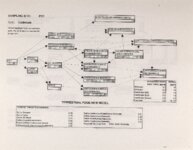
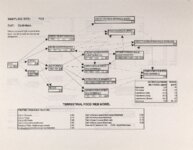
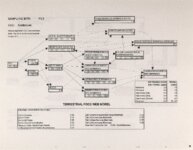
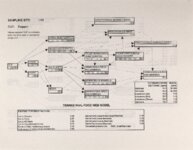
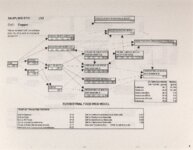
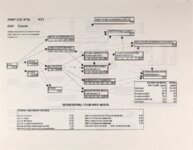
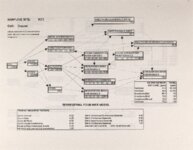
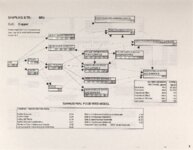
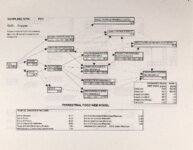
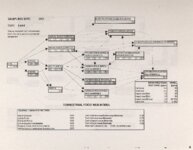
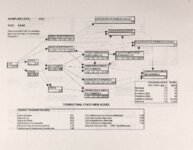
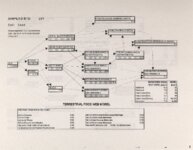
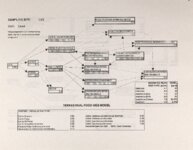
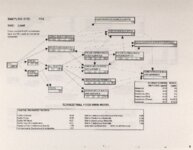
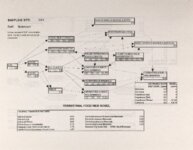
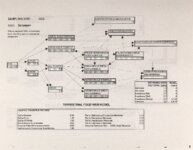
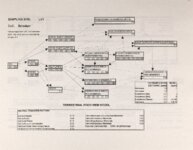
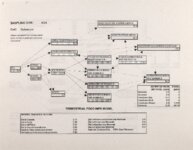
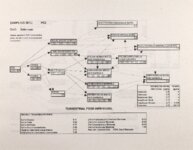
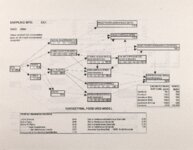
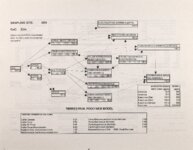
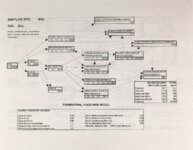
Show - Ecological Risk Assessment Northern Oquirrh Mountains • concentrations in herbivorous and granivorous mammals were of all herbivorous and granivorous mammals combined (i.e., voles, harvest mice, pocket mice and chipmunk), due to the small sample sizes on all sites. If none of these species were captured at a sampling site, the whole The whole estimated body the as mean sampling body concentration for herbivores was estimated mammal herbivorous diet concentration and as the I product of the estimated trophic transfer factor from the Peromyscus diet to Peromyscus whole body concentrations. • The diets of omnivorous birds and mammals was estimated using the Peromyscus as a model. Peromyscus diets were estimated to be 61% invertebrates, 37% plant material, and 2% soil, based on the ratio of invertebrate to plant material reported by Flake (J. Mammal. 54:636-647, 1973) and the estimate of soil in diets of white-footed mice T t (Peromyscus /eucopus) reported by Beyer et al. (J. Wild/. Manage. 58:375-382, 1994). Plant concentrations were based on the average of all plant samples collected. Since generalist omnivores, such as Peromyscus, eat a variety of invertebrates, the estimate CoC concentrations in invertebrates were based on the average of ground-dwelling invertebrates and foliar herbivorous and carnivorous invertebrates. Comparisons of carnivorous with herbivorous and foliar invertebrates foliar with ground-dwelling invertebrates did not find significant difference in CoC concentrations among these groups. • The whole body concentrations in omnivorous birds and mammals was estimated using the Peromyscus as a model (i.e., the mean of Peromyscus captured at each sampling site). • The diets of surface-feeding insectivorous mammals, such as shrews, was estimated as 98% invertebrates and 2% soil, where the invertebrate concentration was the mean of ground invertebrates and foliar invertebrates. • • in surface-feeding insectivorous mammals was estimated as the product of the estimated surface-feeding insectivore diet and the trophic transfer factor from Peromyscus diet to Peromyscus whole body concentrations. The whole body concentrations The diets of aerial-feeding insectivorous mammals, such as bats, was estimated as 100% invertebrates, where the invertebrate concentration was the concentration for aerial invertebrates. concentration was If no aerial invertebrates were collected at a estimated as the concentration in aerial sampling sites within the same canyon, canyon, the used from that sampling site. collected within • a mean of sampling site, the invertebrates at other if possible. If no aerial invertebrates were ground-dwelling and foliar invertebrates was The whole body concentrations in aerial-feeding insectivorous mammals was estimated as the product of the aerial-feeding insectivorous mammal diet and the trophic transfer factor for Peromyscus diet to Peromyscus whole body concentrations. • The diets of foliar-feeding insectivorous birds was estimated as 100% invertebrates, invertebrate concentration was the mean of ground, foliar, and aerial where the invertebrates. It was assumed that foliar-feeding insectivorous birds would get their ecological planning and toxicology, inc. r |