| OCR Text |
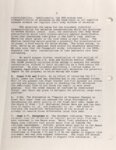
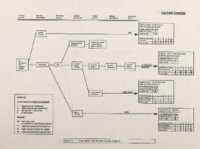
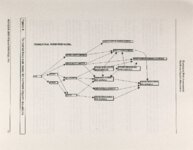
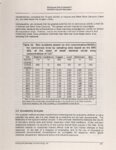
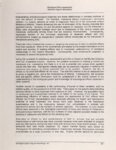
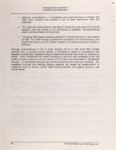
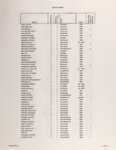
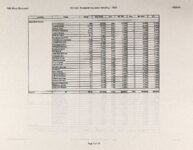
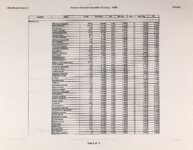
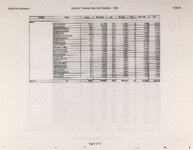
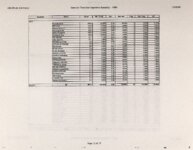
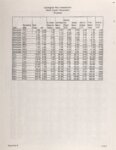
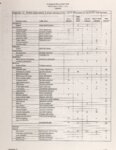
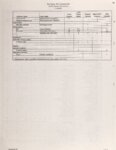
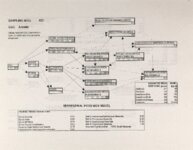
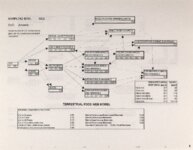
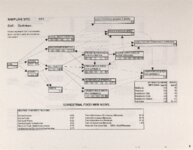
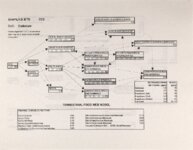
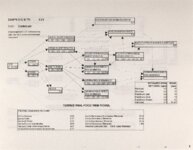
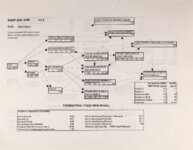
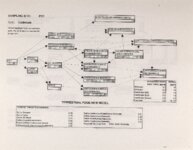
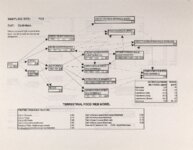
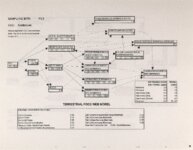
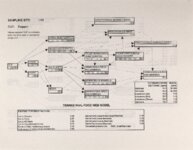
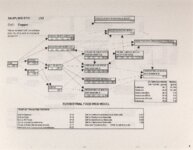
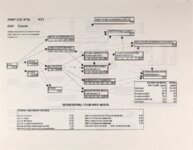
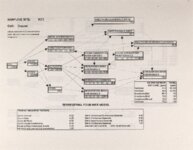
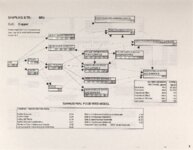
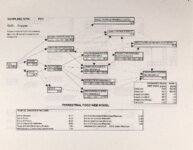
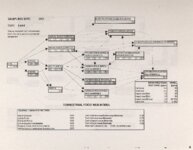
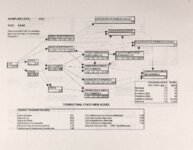
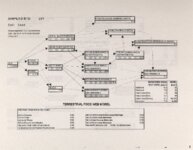
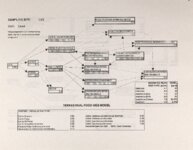
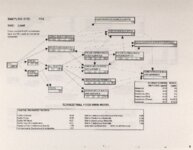
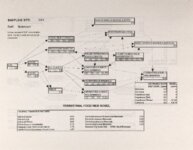
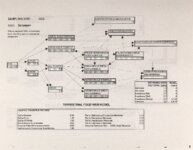
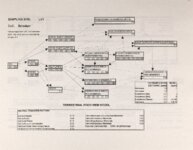
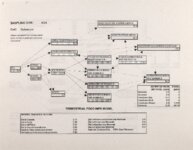
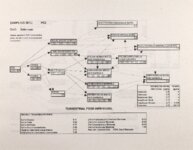
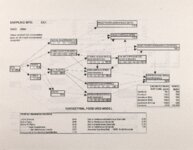
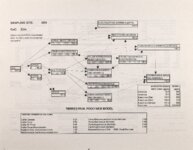
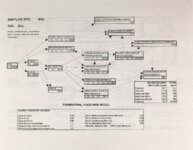
Show Ecological Risk Assessment Northern Oquirrh Mountains The focus of the Final Phase of the EcoRA was to measure CoC concentrations and document evidence of toxicological and ecological effects in components of the herbivore and insectivore food chains. Consequently, site-specific trophic transfer factors will be calculated that incorporate biotic and abiotic relationships characteristic of this xeric environment. Sampling during 1995 was conducted to develop site-specific trophic transfer factors. To more clearly identify differences among plant species in their concentrations of CoC, domi nant plant species were collected and analyzed separately. Samples of aerial, surface dwelling, and foliar (both herbivorous and carnivorous) invertebrates were collected to quantify CoC concentrations in diets of insectivores and omnivores, as well as to determine site-specific trophic transfer factors. Small mammals were trapped and analyzed to quan tify CoC concentrations in the diets of carnivores and to determine trophic transfer factors from their diets. The small mammal species captured represented herbivores, granivores, and omnivores, but no true insectivores. Site specific information on CoC concentrations will be used to predict exposure profiles for herbivore and insectivore food webs in the Oquirrh Mountains. The exposure profiles will a characterization of developed in the Analysis section of this EcoRA along potential CoC effects based on laboratory studies and information from the Oquirrh Mountains on observed effects during field surveys. The Risk Characterization section will integrate the exposure and effects profiles to describe the risks to plants and animals from CoC in the northern Oquirrh Mountains. be with Because the primary route of exposure of CoC to animals in these canyons is expected to be uptake through food chains, a terrestrial food web model will be used to predict CoC concentrations in the various compartments of the food web (Figure 4). Measurements of were made for soils, plants, surface-dwelling, foliar, and aerial invertebrates, and herbivorous and omnivorous small mammals. Representatives of some CoC concentrations trophic groups were not collected for analysis, including insectivorous and granivorous birds and mammals. All carnivorous birds and mammals, tissue concentration in these groups will be estimated from site-specific information from other trophic groups and existing information on food web relationships measured in other studies. 14 ecological planning and toxicology, inc. t |