| OCR Text |
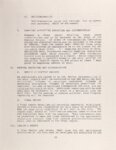
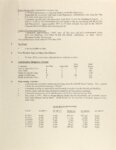
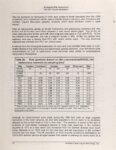
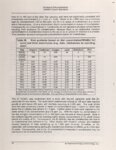
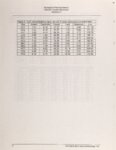
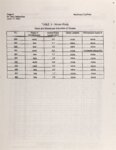
Show Ecological Risk Assessment Northern Oquirrh Mountains tracts would pote, Also, retention of retained. 'Hy add greater variability to analytical results if they were transfer e gastrointestinal tracts would preclude determining the trophic factors from mammal diets to tissues. Approximately six animals of the 12 from each sampling site (at least three Peromyscus plus all individuals of minor species) also had livers and kidneys prepared separately for histological and chemical analyses. The livers, one kidney! and any fetuses present were removed and weighed to the nearest 0.1 gm. Approximately half of the liver and all except one fetus were placed in labeled plastic bags and frozen for shipment to Texas A&M Trace Element Laboratory for CoC residue analysis. The remaining portion of the liver, the entire kidney, and the largest fetus were placed in a labeled jar of 10% buffered formalin and shipped to NorthWest ZooPath for histological examination. The remainder of the carcass Those animals not was placed in a labeled plastic bag and frozen for residue analysis. labeled in residue for were examination plastic bags used for histological analysis shipped without removing any organs except the gastrointestinal tract. 2.1.2.5 Tissues were Histopathology examined by Dr. Michael Gamer, DVM, DA WP of NorthWest ZooPath (Snohomish, WA). Dr. Gamer specializes in pathology of nondomestic animals and provides services to the Oregon Coast Aquarium and zoos in Portland, OR and Seattle, WA as well as to private clients. Thin-section paraffin slides were prepared and stained with hemotoxylin and eosin following standard procedures, and all slides were examined Tissues with Fetuses were examined grossly prior to sectioning. microscopically. intranuclear inclusion bodies were also stained with acid-fast stains following Fite's and Kinyoun's techniques. 2.1.2.6 CoC Residue Analysis Invertebrates and rodents (whole bodies and livers) were received in good condition by the Texas A&M Trace Element Laboratory. The samples were homogenized and then freeze dried and ground to a fine powder. Samples (approximately 200 mg dry weight) were digested in closed Teflon bombs using ultrapure nitric acid according to the national Oceanic and Atmospheric Administration (NOAA) National Status and Trends (NS&T) total tissue digestion protocol (Lauenstein et a/., 1993). Samples were weighed into Teflon bombs, nitric acid was added, and the samples were allowed to pre-digest overnight at room temperature with the bomb lids partially closed. The bomb lids were then tightly closed and samples heated to 130°C for one hour. The bombs were then cooled, partially opened to de-gas, re-tightened and re-heated for two hours. This sequence was repeated heating. The digest solution was to known and a volume with dilute nitric acid. containers into brought sample poured in and tissues were Se performed by graphite furnace Analyses of total As, Cd, Cu, Pb, atomic absorption spectrophotometry (GFAAS, Perkin Elmer" model 3030 with Zeeman two more times for an additional 4 and 12 hours of background correction) again following the NOAA NS&T protocols. Zinc determinations by flame AAS according to the same protocols. The method detection limits for the analyses are in Table 4. Initial and continuing (every 12 samples thereafter) calibration was done using a blank and two standard concentrations prepared from a 250 ppb multi element standard traceable to National Institute of Standards and Technology (NIST) were ecological planning and toxicology, inc. 35 |