| OCR Text |
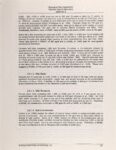
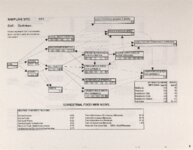
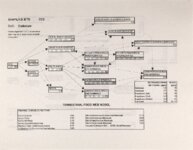
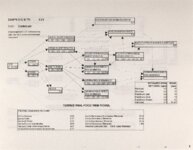
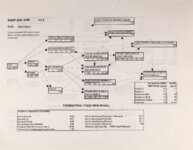
Show Ecological Risk Assessment Northern Oquirrh Mountains 4. Conclusions Human activities, including mining, grazing, and logging, have transformed the northern Oquirrh Mountains since the late 1800s. Chemical emissions (including sulfur dioxide, fluoride, metals and metalloids) from past mining operations adversely affected the plant communities in surrounding mountain canyons, but improved technologies implemented by Plant KUC have significantly reduced chemical emissions in the past two decades. communities are recovering due to continuing efforts to reestablish native plants and erosion control barriers. However, questions remain concerning the risks posed to plants' and wildlife by environmental concentrations of CoC (Le., arsenic, cadmium, copper, lead, selenium, and zinc) in the canyons of the northern Oquirrhs. . The Final Phase EcoRA for the northern Oquirrh Mountains was initiated to address two questions based on the findings of the Screening Level EcoRA (as stated in Problem Formulation, Section 1.1.3): • Are the current concentrations of CoC high enough in soil and vegetation to adversely affect populations of herbivorous mammals in the northern Oquirrh . Mountains? • high enough in terrestrial invertebrates and small mammal tissues to suggest adverse effects to populations of insectivores and carnivores in the northern Oquirrh Mountains? Are the current concentrations of CoC These questions were addressed by comparing the measured CoC concentrations in the soil and potential food material at the time the study was conducted with the lowest laboratory toxicity tests (i.e., quotient method) and with site-specific Based on the currently information on presence or absence of effects to mammals. available data, the following conclusions were reached: NOAELs based • on None of the CoC in soil and vegetation are adversely affecting populations of herbivorous mammals in the northern Oquirrh Mountains. • None of the CoC in soil and invertebrates are adversely affecting populations of omnivorous mammals, such as Peromyscus, in the northern Oquirrh Mountains. • Although zinc concentrations in invertebrates throughout the northern Oquirrhs are near toxicity threshold for birds, these concentration may reflect background in invertebrates and may not represent a risk to birds. Invertebrate concentrations were not correlated with soil concentrations and do concentrations not appear to be a function of smelter emissions. Selenium in the insectivore food chains in Kessler Canyon (and to a lesser extent Black Rock Canyon) may present a risk to insectivorous birds or mammals. ecological planning and toxicology, inc. 87 |