| OCR Text |
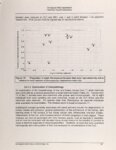
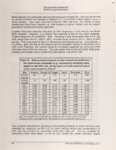
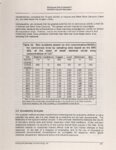
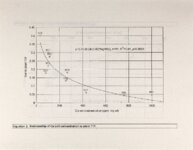
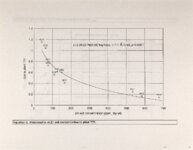
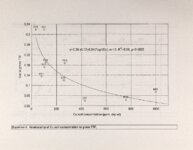
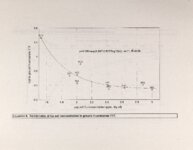
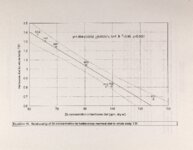
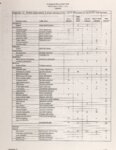
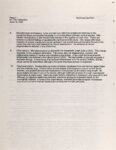
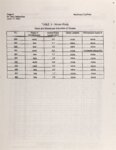
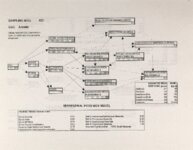
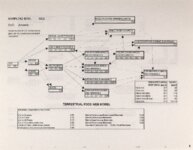
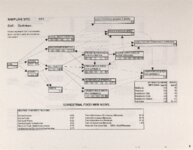
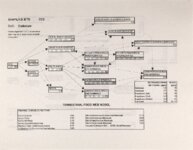
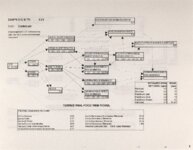
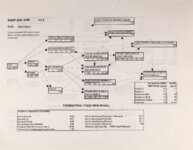
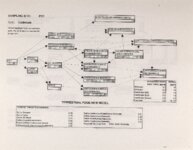
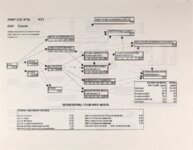
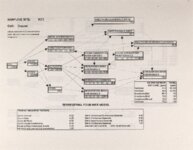
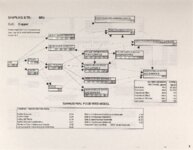
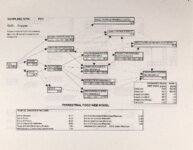
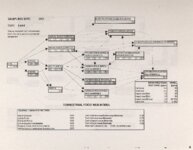
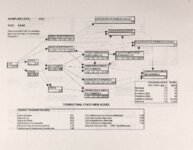
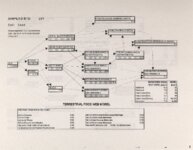
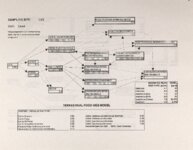
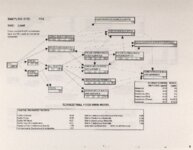
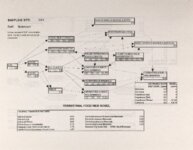
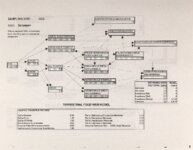
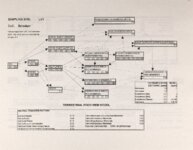
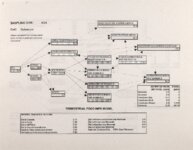
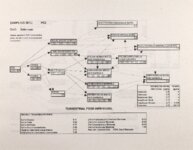
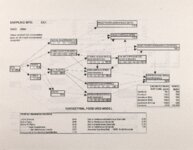
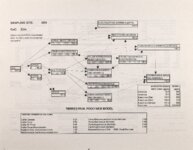
Show mg/kg dw). The document notes that these studies were based on "sensitive" avian species. Using this dietary threshold value and the slope and intercept values from the linear regression, the 27 ug/I waterborne selenium chronic criterion was calculated (i.e., this is the selenium water concentration that, according to the authors of this study, should ensure the 5 mg/kg dw dietary threshold would not be exceeded). The report argues that the 27 ug/I value is protective because the derived dietary threshold of 5 mg/kg dw was based on sensitive species. A further argument is made that the 27 ug/I value is conservative because the study design assumed that the sensitive species (shorebirds) ate brine shrimp exclusively and that all consumed brine shrimp were from the C-7 ditch area (which they consider unlikely since the area near the C-7 ditch does not, according to them, provide good nesting habitat for these sensitive species). They further argue that concerns with the fact that 27 ug/I value is higher than EPA's recommended national chronic criterion of 5 ug/I are unwarranted since the 27 ug/I value was derived based on site-specific information unique to the GSL, and the site-water characteristics of the GSL influence and ameliorate the uptake of selenium (based on information derived from this study). Issues. I'm not very familiar with the tissue-based approach to estimating "safe" waterborne concentrations of bioaccumulative substances, but from what I've read recently, it seems to make sense in that it provides a direct way of getting at the exposure issue (I'm going to have to rely on help from Dale Hoff and Keith Sappington on this issue). I'm entering this discussion late, and I don't have all of the material referred to in the various documents. Nevertheless, I thought I should take a shot at outlining the issues, as I understand them, so that you would have our perspective on the issues as you prepare your comments. For the GSL, the issue is birds (i.e., there are no fish). As explained in my earlier e-mail, this, therefore, means the criterion of interest will be a "wildlife" criterion for which we have no final guidelines applicable to the GSL. But, the tissue-based approach appears to provide a scientifically-defensible way to address this issue (at least, the approach appears to be defensible; there are disagreements between Kennecott and the Service about the implementation of the approach). For selenium, the sensitive toxicity endpoint is its effect on fish and bird eggs (reduced hatchabilty, deformities and juvenile mortality). As I understand it, the tissue-based approach for selenium, therefore, would look at the three key elements in that pathway from the water column to bird eggs: waterborne selenium ------- dietary selenium ---------- mean egg selenium (birds or fish) The approach could either: 1) first determine a dietary threshold value that would equate to a "no effect" mean egg concentration [feeding studies] and then relate that dietary threshold to a waterborne concentration that would not cause an exceedence of the dietary threshold [I believe this is the approach taken by Parametrix to derive the 27 ug/I value], or 2) determine a direct relationship between waterborne selenium and a "safe" mean egg concentration. There are both site- and species-specific factors which could affect either relationship (e.g., site water characteristics and their effect on selenium uptake, sensitivity of the target species, feeding strategies of the prey and predator species, etc.). For this reason, site-specific criteria derivation is appropriate. I assume that Parametrix used the dietary threshold approach because it was easier to gather co-located water and prey data than it would have been to get co-located water and egg data for the species of interest. Ideally, I suppose, the direct relationship between water and egg |