| OCR Text |
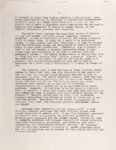
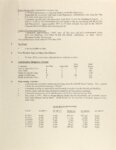
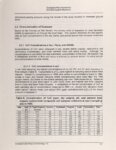
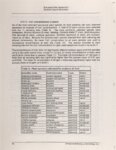
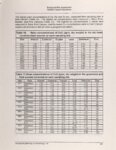
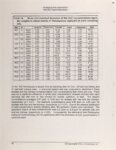
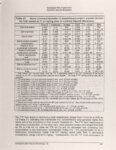
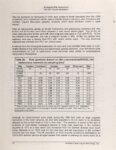
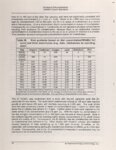
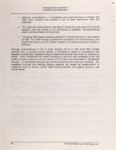
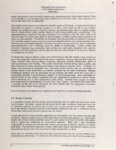
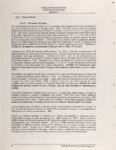
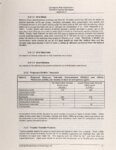
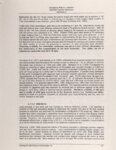
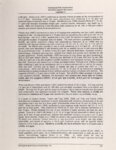
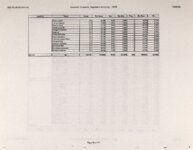
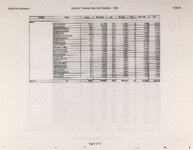
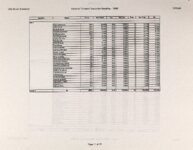
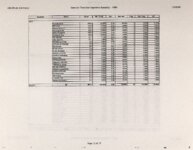
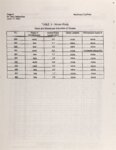
Show - Ecological Risk Assessment Northern Oquirrh Mountains Table 26. No-observed-adverse-effect levels (NOAEL, mg/kg dry wt) for functional groups of vertebrates and invertebrates 1. 1 Arsenic Cadmium Copper Lead Selenium Herbivorous birds 112 10 500 100 4 Insectivorous birds 112 10 500 94 4 125 Carnivorous birds 112 10 500 448 10 125 285 15 30 1,000 4 692 50 47 250 30 4.8 500 Ruminants II Monogastric 125 I, herbivorous mammals Insectivorous mammals Zinc 50 Carnivorous mammals 47 110 250 47 110 6 140 500 4.8 500 4 300 550 150 Invertebrates -, NCAELs do not exist for all trophic levels. Numbers in balded italics represent NOAEL values that were assumed to be the same as a phylogenetically similar species from another trophic croup. Areas where the estimated exposure concentration is greater than the effects level require a closer examination to ascertain if ecological effects actually are occurring. The information provided in earlier sections of this report about toxic effects of CoC to wildlife is derived from laboratory studies conducted with individua.l animals. effects are as subtle as reduced growth rates of young. In Sometimes these ecological terms, effects to individuals mayor may not result in changes in population growth rates or community dynamics. Compensatory factors such as release of density-dependent inhibition of reproduction may result in no net change to the population. Therefore, predictions of risk based solely on comparisons of estimated exposure with individual-based effects are insufficient for an ecological assessment. The presumption of risk based on an RQ must be corroborated with ecologically-relevant data. The following sections define the probability of risk to wildlife in the northern Oquirrhs, looking at various trophic levels separately. The discussion is divided into 1) Peromyscus, the most numerous taxa captured, 2) herbivorous mammals, 3) insectivorous birds and mammals, and 4) camivorous birds and mammals. After a brief statement of the conclusions that were reached, each section lays out the Risk Quotients for the CoC in order to show which ones could be eliminated from further consideration. If any CoC remain for a trophic group, the site-specific ecological information generated during the 1995 field season is discussed. This provides either confirmation or refutation of the of risk, using ecologically-relevant endpoints. If ecological data were not presumption collected for a particular trophic group, then a presumption of risk remains unless other relevant field data are available to demonstrate that individual-based effects do not result in population level consequences. A final summary of the potential risks from the CoC in northern Oquirrhs is presented in Section 3.3, Interpretation of Ecological Significance. 66 ecological planning and toxicology, inc. |