| OCR Text |
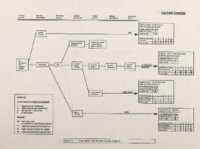
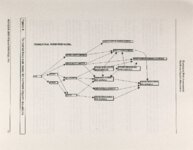
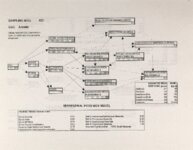
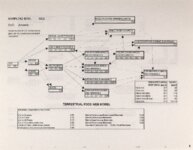
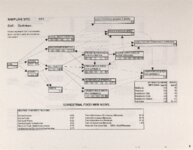
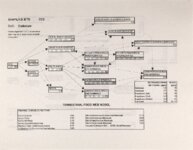
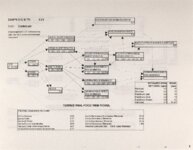
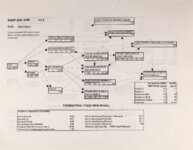
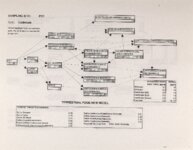
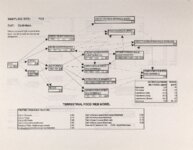
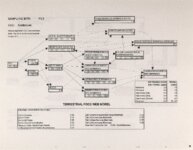
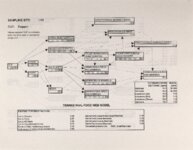
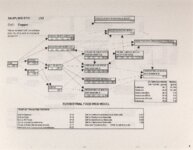
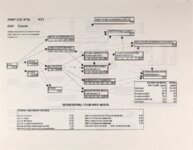
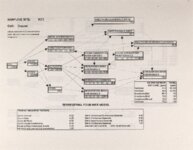
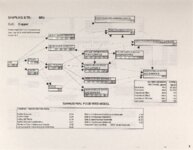
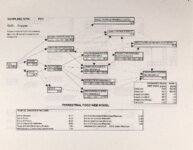
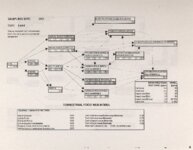
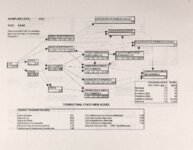
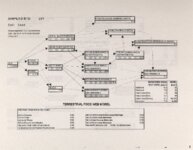
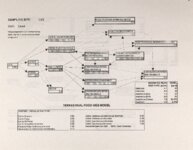
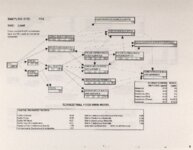
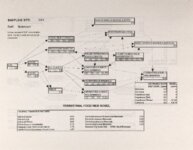
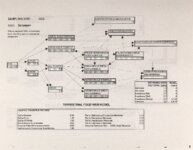
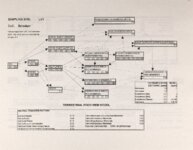
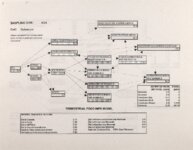
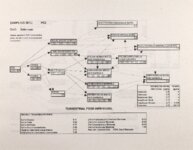
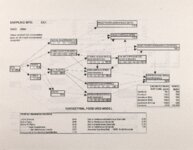
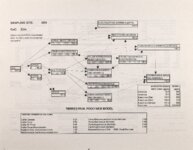
Show - Ecological Risk Assessment Northern Oquirrh Mountains • • populations of species in the Kennecott Oqui,rrh Mountains that are ecologically relevant and of concem to the public (See the list of Key Taxa presented in the Screening level Problem Formulation Report), and sustainable maintenance of individual animals or local 1 subpopulations of animals and plant populations free of toxicological effects of CoC if they are federally listed or state sensitive species. provided information assessment endpoints for project area wildHfe species. conducted in 1995 field studies 1.6.2 Measurement Endpoints The needed to address the r l The primary measurement endpoints for addressing sustainable populations of key wildlife species in the Oquirrh Mountains are: • • • small mammal demographic parameters (species, age, gender, reproductive state); CoC concentrations (mg/kg) in soil, dominant plant species, terrestrial herbivorous and carnivorous invertebrate'S, and small mammal livers and whole carcasses; and small mammal health (histopathology of liver and kidney). Additional information is gathered by field crews from field notes on observations of all wildlife and SpOOf. 1.7 Conceptual Model The potential exposure pathways for each source area consider the nature of the source material, transport mechanisms, exposure media, and potential routes of exposure to biotic receptors. This fate and transport information provides the physical-chemical portion of the Conceptual Site Models (CSMs). The biological portion of CSMs is based on ecological models of representative foods webs describing the interactions among species and their relationships with soil and ground and surface water. 1.7.1 Conceptual Site Models for Specific Sources The primary sources of CoC in the northern Oquirrh Mountains were identified in the 1994 Screening Level EcoRA as the Ga.rfield Smelter and the former International Smelter. Conceptual site models were developed in the Screening Level EcoRA that describe the primary pathways of CoC releases and exposure to biotic receptors in the Oquirrh Mountains. The approach for developing the conceptual site models was presented in the Problem Formulation Report of the Screening Level EcoRA. However, both of these models primarily describe past conditions, since the International Smelter no longer exists and the new Garfield Smelter removes 99.98% of CoC from emissions, thus significantly reducing the emissions compared to previous smelter operations. The conceptual site models for the Garfield and International Smelters were modified from the Screening Level EcoRA to address only the northern Oquirrh Mountains (the KUC 12 ecoloqlcal planning and toxicotoqy, inc. . |