| OCR Text |
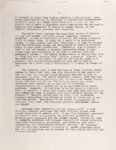
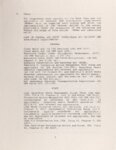
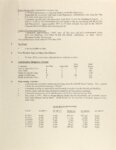
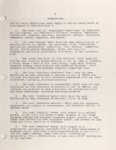
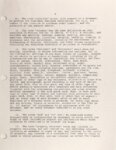
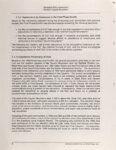
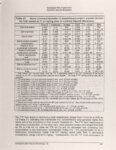
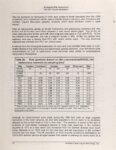
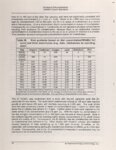
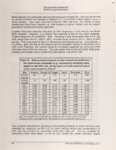
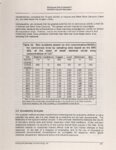
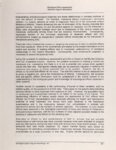
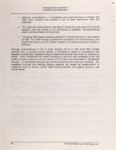
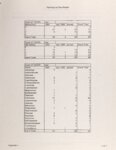
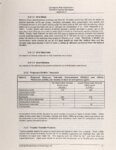
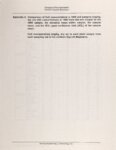
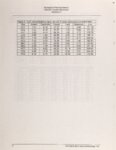
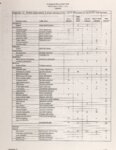
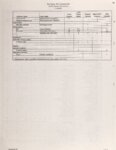
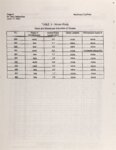
Show - Ecological Risk Assessment North Oquirrh Mountains Appendix 2 1.2 Cadmium (Cd) Background soil concentrations in the U.S. range from 0.08 to The background mean values for various soils range from 0.21 to 0.73 ppm (Kabata Cadmium is associated with Zinc. 1.5 ppm. 1 Pendias & Pendias, 1992). 1.3 Copper (Cu) Copper is a constituent of many ubiquitous minerals. The Cu-containing minerals are readily In the United states, background soluble in mild acids and thus are part of most soils. concentrations of Cu range from 1 to 300 ppm with the mean varying from 13 to 29 ppm (Kabata-Pendias & Pendias, 1992). 1.4 Lead (Pb) Background lead levels in the United States range from <10 to 70 ppm. Mean concentrations in various US soils range from 17 to 26 ppm (Kabata-Pendias & Pendias, 1992). 1.5 Selenium (Se) Selenium background concentrations vary considerably among different rock types and different weathering conditions. Background soil concentrations range from 0.005 to 4.0 ppm. soil Average concentrations are between 0.3 ana 1.05 ppm. Generally in the western United States, Se concentrations are higher than in toe eastern parts. In localized regions (e.g., portions of South Dakota), naturally occurring Se concentrations range form 6 to 28 ppm and average 17 ppm (Kaeata-Pendias & Pendias, 1992). 1.6 Zinc (Zn) Zinc is also a common constituent of minerals that readily weather and form soil. Background Zn levels in the United States range from 3 to 300 ppm. Mean background Zn concentrations in various U.S. soils lie between 34 and 84 ppm (Kabata-Pendias & Pendias, 1992). 1.7 Summary Table 2 summarizes the information discussed in the above sections. on average background soil concentrations for the CoC The data in the "U.S. column represent the average n concentration in uncontaminated soils throughout the United States, as summarized by Kabata P-endias ana Pendias (1992). This is a standard reference text that summarizes a large amount of information and has been up-dated recently. The data in the "Upper Coon Canyon" column were taken from Sharma et al. (1974) and are actual values from the Core Project Area. Each number is an average of samples taken from two consecutive years. Each of the locations were sampled at a to 2 inches, 2 to 4 inches, and 4 to 6 inches depth, for a total of six samples from which means and 95% confidence intervals were calculated. There were no differences in the CoC concentrations at the different depths in Upper Coon Canyon, whereas samples from other parts of the Core Project Area showed concentration gradients with higher values in the top 2 inches and lower values in the deeper cores. This suggests that the samples taken from Upper Canyon are representative of naturally occurring concentrations. Soil concentrations measured from the 1994 field sampling efforts are reported in the accompanying Analysis Report. These data from Coon and Harkers Canyon are summarized and compared to other Coon sampling data (e.g., ERI-Logan) to describe background concentrations in the Analysis Report. 2 ecological planning and toxicology, inc. -- f. |