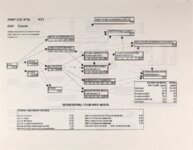
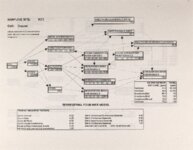
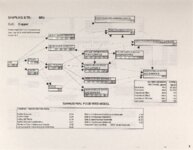
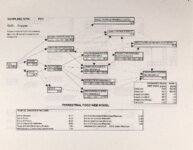
| OCR Text |
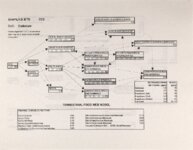
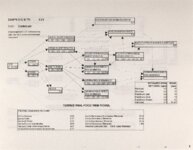
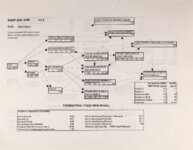
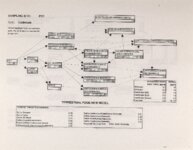
Show Ecological Risk Assessment Northern Oquirrh Mountains 1. Problem Formulation The Problem Formulation section of the ecological risk assessment (EcoRA) identifies the major factors to be evaluated and establishes the goals, breadth, and focus of the assessment. This section defines the characteristics of the chemicals of concern the ecosystems potentially at risk, and the potential conceptual model that guides the assessment. 1.1 (CoC), ecological effects, culminating in a Background This EcoRA was initiated to address concerns about environmental contamination from the release of metals, metalloids (such as arsenic and selenium), and other chemicals mining and smelting operations of Kennecott Utah Copper (KUC). mining operations have adversely affected the plant communities in surrounding ecosystems, but improved technologies implemented by KUC have significantly reduced these chemical emissions in the past two decades. As early as the 1940s, active re-vegetation of the Northern Oquirrhs was begun as a means of reducing flooding. Plant cover was sought to stabilize the soil surface and improve infiltration. In addition to lowering the risk from flooding, plant cover also reduced dust levels. With successful establishment of plant cover, wildlife, most notably deer and elk, re-inhabited the Northern Oquirrhs. associated with the Chemical emissions from historical A Screening Level EcoRA in 1994 measured soil, water, and plant concentrations of metals and metalloids in the canyons of the Oquirrh Mountains near KUC facilities and in the wetlands on the northern end of the Oquirrhs. Because of the remaining concerns about potential adverse effects to wildlife from the environmental concentrations of metals and metalloids in some canyons, an in depth EcoRA was performed which measured directly the exposure and effects of the CoC to wildlife. This report details the methods used, the results of plant and wildlife surveys, and an assessment of the risks from current environmental concentrations of metals and metalloids. 1.1.1 Project Area Overview KUC has operated facilities located in the northern Oquirrh Mountains in Salt Lake County, Utah, since the 1930s. The Oquirrh Mountains are about 20 miles (32 km) southwest of Salt Lake City and abut the Great Salt Lake on its southeast shore. The region has Various mining, smelting, and other experienced active mining since the 1860s. processing operations have occurred during this history. Collateral activities such as logging, livestock grazing, hunting, and off-highway vehicle use, along with various land have influenced habitat quality and risks to ecological use management policies, resources. Current KUC property boundaries encompass about 360 square kilometers (140 square miles) and include the operating Bingham Mine, two concentrators, a refinery, one smelting facility, various industrial support facilities, active and inactive waste rock piles, tailings ponds, traffic (rail and truck) corridors, remediated areas, and areas currently undergoing remediation. This entire area comprises the generalized Project Area for the EcoRA, ecological planning and toxicology, inc. 1 |