| OCR Text |
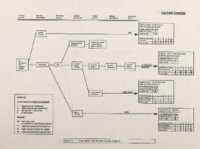
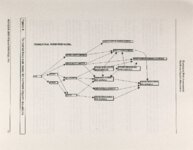
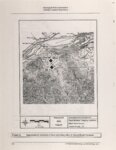
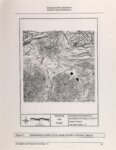
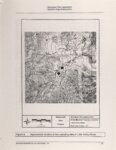
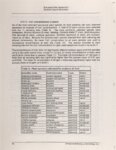
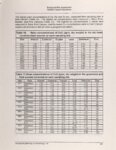
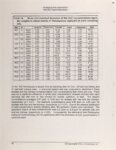
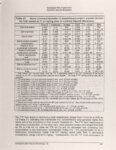
Show Ecological Risk Assessment Northern Oquirrh Mountains Executive Summary An ecological risk assessment (EcoRA) for the northern Oquirrh Mountains was performed during 1995 to address concems about possible effects of metals and metalloids to plants In 1994, a screening-level EcoRA identified that several chemicals of concern (CoC) i.e., arsenic, cadmium, copper, lead, selenium, and zinc, in soils and plants exceeded effects thresholds for herbivorous and insectivorous animals and the carnivores and wildlife. , that feed on them. There was no evidence that metals and metalloid concentrations in the The northern Oquirrhs exceeded threshold concentrations for plant communities. screening-level EcoRA indicated a need for further evaluation of the potential for risk to wildlife from metals in the northern Oquirrh mountains. During 1995, concerns for herbivorous and insectivorous food chains we're addressed directly by collecting soil, plants, invertebrates, and small mammals from a series of sampling sites along a gradient of environmental concentrations. At each sampling site, information on the abundance of small mammals, their rate of reproductive activity, and evidence of CoC-related tissue lesions, were collected along with data on plant community structure at each sampling site. Eleven sampling sites were surveyed for five days each, including two sites in Coon, Little Valley, Kessler, and Black Rock Canyon and three sites in Pine Canyon. Site selection was based on data collected in the screening-level EcoRA which indicated potential risk at the selected sites. Multiple regression analyses were used to identify relationships between concentrations of CoC in the diets or body tissues of mammals with measures of abundance and reproductive activity. greatest determinant of animal presence and abundance was the quality of the At all sampling sites in the lower elevations of the five canyons, grazing by wild and domestic ungulates keeps the grasses and forbs relatively short with little, if any, standing dead vegetation to provide habitat for species such as voles and shrews. Less abundant woody cover in Kessler and Black Rock Canyons resulted in a reduced abundance of songbirds. Reduced grazing pressure in all of the canyons would increase the amount and quality of habitat for many species of animals. Management of selenium concentrating plant species in Kessler and Black Rock Canyons could provide a means to The habitat. reduce risks to herbivore and insectivore food chains. The most commonly captured mammals were from the genus Peromyscus, the deer mouse (P. maniculatus) and pinon mouse (P. truet; ranging from 5 to 113 animals per sampling site. Small numbers of montane voles (Microtus montanus), Great Basin pocket mice (Perognathus pervus; western harvest mice (Reithrodontomys mega/otis), and least , , chipmunks (Tamias minimus) also were captured. There was no evidence that the numbers of animals captured were reduced by the dietary concentrations of CoC or the concentrations in the whole bodies of the mammals. Rates of reproductive activity varied considerably among the sampling sites, but there was no evidence that this was due to the CoCo Seventy-one mammals (approximately 12 from each site) were necropsied for histological examination of liver and kidney tissues, but there were no CoC-related tissue lesions. ecological planning and toxicology, inc. |