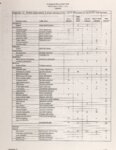
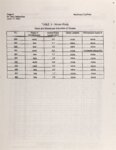
| OCR Text |
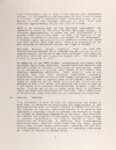
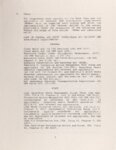
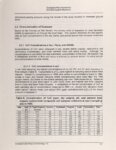
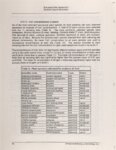
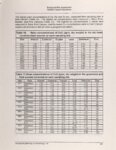
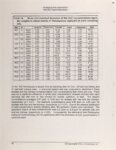
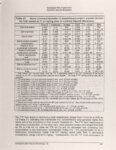
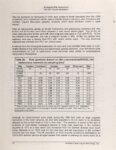
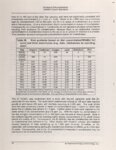
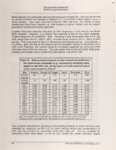
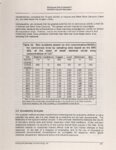
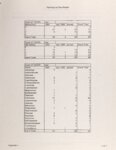
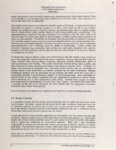
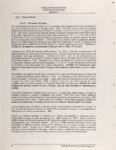
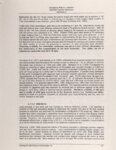
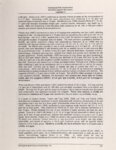
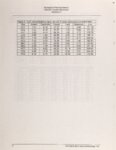
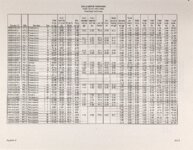
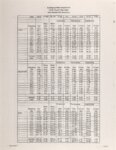
Show Ecological Risk Assessment Northern Oquirrh Mountains The highest numbers of plant taxa and families in 1994 were found in Coon Canyon (Table 1), as well as the highest percentage of native and late successional taxa. Conversely, Little Valley Wash had the smallest number of plant taxa and families and the smallest This reflects the extent of historical disturbance that occurred proportion of native taxa. from erosion, construction of berms to contain flood water, and heavy livestock (especially sheep) grazing in Little Valley Wash. Currently, elk grazing pressure is very high resulting in heavy cropping of vegetation cover by the start of the spring growing season. vegetative cover comprised of weedy species, except Coon Canyon. A clear indication of the early successional status is seen in the comparison of frequency of weedy taxa. The higher frequency values indicate greater abundance or occurrence of weedy individuals compared with intermediate and late successional species. The majority of vegetation in each area (based on frequency of taxa) is comprised of native species. Each of the five Table 1. Summary canyons has areas of more than 60% of Releve results for elevational of 1994 Oquirrh Mountains comparable northern the within zones to 1995 sampling sites. Plant origins (percentage of taxa frequency) canyon' Number Number Native Introduced Weedy Inter- Late-succes- taxa taxa taxa mediate sional taxa of of taxa Plant niche preference (percentage of taxa frequency) taxa families 1 Coon 68 23 73 27 46 30 25 Little Valley 31 15 54 46 68 22 10 Kessler 56 19 56 44 69 23 8 Black Rock 48 19 61 39 72 17 11 Pine 61 23 71 29 64 25 11 Summaries based on low elevation zone (1,370-1,680 m) for Little Valley Wash and Kessler and Black Rock Canyons and middle elevation zone (1,680-1,980 m) for Coon and Pine Canyons. Vegetation of the low elevation zones of Black Rock Canyon, Kessler Canyon, and Little Valley Wash were similar to each other as shown in phenograms (Figure 3 of Screening Level, Risk Characterization Report, 1995) based on the Similarity Index of Importance Percentage (Czekanowski, 1993). The most prominent species of the five areas were Bromus tectorum, Grindelia squarrosa, Poa pratensis, and Ambrosia psilostachya. Of the five areas, only Pine Canyon was dominated by a woody species (Gambel's oak, Quercus gambelil), all others were herbaceous (Table 2). The dominance of oak in Pine Canyon reflects the elevation difference among the five areas and the widespread, heavy grazing that removed essentially all ground cover in some plots sampled in 1994. Gambel's oak also occurred in Little Valley Wash and Coon Canyon, characteristic of the mosaic of woodlands and grasslands of these two areas. (Triticum aestivum) in Little Valley Wash is most likely due to the area by domestic livestock (Table 2). high Supplemental feeding and/or use of wheat straw bedding continues to supply a source of wheat seeds. Dominance of wheat continued use of the ecological planning and toxicology, inc. 7 |