| OCR Text |
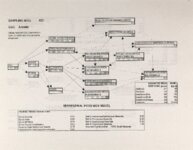
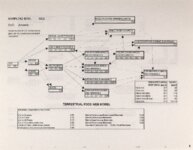
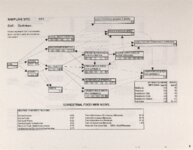
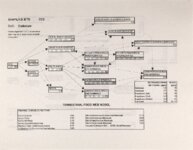
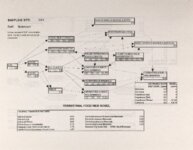
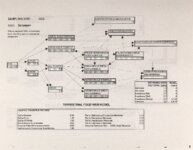
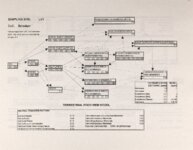
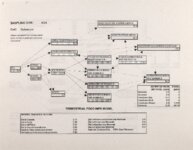
Show - Ecological Risk Assessment Northern Oquirrh Mountains The CoC concentrations in diets of most vertebrate trophic groups were calculated by estimating the proportion of plants, invertebrates, small mammals, and soil in their diets. These calculations contain uncertainties because 1) different species within a trophic group may consume different proportions of food types, 2) different individual animals within a species may consume different proportions of food types, 3) the specific dietary preferences of vertebrates for various plant or invertebrate species is not known for animals in the northern Oquirrhs, and 4) the estimates of the rate of soil ingestion by various organisms are based on limited samples and assumptions about digestibility. The estimates for soil ingestion by vertebrates (based on data from Beyer et a/. 1994) take into account that animals ingest soil intentional'ly (e.g., mineral licks) and inadvertently (e.g., in or on plant and invertebrate food items). Soil was not washed from plant, invertebrate, or small mammal samples prior to CoC analysis, so the contribution of CoC from soil may be overestimated for those trophic groups where 2% soil was factored into the diet. Also, the bioavailability of CoC in soil is generally less than the forms of the CoC found in tissues. laboratory tests and animal responses in the field, including differences in the metal species used in the laboratory compared to the predominant species in the field, differences in the environmental conditions, and differences in the temporal pattems of exposure. One of the greatest uncertainties surrounding this and most other ecological risk assessments is the unknown relationship between the NOAEL or LOAEL of laboratory toxicity tests and animal There are several differences that can exist between responses under field conditions. In many studies it is unknown how close a NOAEL is to the true threshold of adverse effects, especially when there are large intervals between Many laboratory tests were poorly designed to define a NOAEL or LOAEL. For example, the NOAeL for Pb in carnivorous mammals is based on 3 cats fed a diet containing 6 ppm Po arsenate for 86 days with no effects observed, so there was no indication of a LOAEL. The LOAEL was established from another study with a few dogs where daily doses were administered in capsule form until effects were observed. It was not stated whether the daily doses were given at a time when food was present in the dog's stomach, which would affect the rate of absorption from the gastrointestinal tract. Neither of the studies on Ph toxioosis in carnivorous mammals was designed to find a toxicity threshold. However, no other studies have been conducted on chronic dose treatment doses. response relationships of non-shot Pb in carnivores. The sensitivity of test species is usually unknown compared to all other species in the field; but this analysis used the toxicity endpolnts of the most sensitive test species when multiple tests were judged to be adequate. Because the quotient method is used to make a quanta! decision (i.e., there is or is not a potential risk), the lack of measure of uncertainty for risk quotients is of greatest concern when the quotient value is near 1.0 (e.g., when the estimated dietary concentration is near the NOAEL value). Many of the risk quotients in this assessment are slightly above 1.0, consequently the information on effects from field surveys is valuable in confirming or refuting the presumption of risk from laboratory toxicity tests by developing the "weight of the evidence." The relationship between measured or estimated dietary CoC concentrations and observed effects in the field also is qualified by a variety of sources of uncertainty. Low or variable for measurement sizes from field sample endpoints surveys reduces the power of statistical analyses. Also, many of the CoC interact synergistically or antagonistically to change their 82 ecological planning and toxicology, inc. 1 |