| OCR Text |
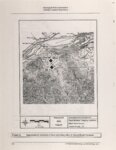
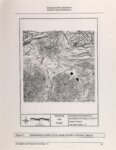
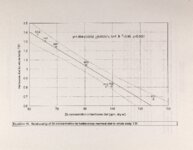
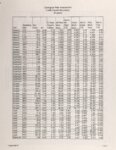
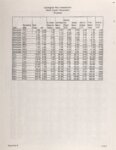
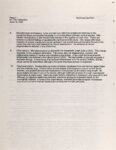
Show Background information. Since my 6/21 e-mail, I've had a chance to look at two Kennecott documents which generally explain the derivation of the 27 ug/l value, and I now have a clearer sense of where the 27 ug/I value came from. Below is a summary of the approach, as I understand it, and my assessment of the issues in dispute. Document #1 Effects of Sulfate on Acute Selenate Toxicity. - In this study, Parametrix, one of Kennecott's contractors, derived an acute criterion for selenate. The focus was on selenate since that is the primary form of selenium discharged (about 90%). The criterion also took into account the effect sulfate has in ameliorating the toxicity of selenium. The evaluation included both development of new toxicity data for freshwater organisms and a review of the scientific literature published since 1987, the date of EPA's criteria document. According to the document, the sulfate relationship was established following EPA's 1985 guidelines, using four test organisms (both invertebrate and vertebrate). The derived sulfate relationship was then applied to an updated selenate database (EPA's 1987 database + new information from the scientific literature). The resulting acute criteria were: 375 ug/l - 2, 893 ug/I for a sulfate range of 25 - 800 mg/I They did not attempt to derive a chronic selenate value based on direct effects, noting that the controlling number would be the dietary-based chronic value and that the sulfate relationship derived in this study could riot be extrapolated to address the dietary exposure pathway. Since the site-specific 27 ug/I chronic value is so much lower than any of the possible acute values, the chronic value will control (Bruce, can you think of a situation where this might not be the case?). There are a number of questions associated with this study: 1) were the underlvlnq toxicity studies properly conducted? (the FWS comments seem to question this) 2) did they, in fact, satisfy the 1985 guidelines? 3) would the new literature values satisfy the new EVISTA guidelines? 4) what about selenite which is in the discharge, albeit at much lower concentrations, but is the form more likely to bioaccurnulate? Although these are important questions, they may not be critical issues for the GSL permitting questions now before you, since the 27 ug/I chronic value is so much more stringent and therefore will be the controlling factor. EPA-HOs and ORD, on the other hand, might be interested in a close review of this study if the approach is proposed for use elsewhere. Document #2 - Evaluation of Selenium Bioaccumulation in Brine Shrimp Near the Kennecott Utah Copper WC-7 Discharge to the GSL. This study was also conducted by Parametrix, and it is the basis for the 27 ug/I number. The intent of the study was to relate waterborne selenium and bioaccumulation of selenium in brine shrimp in the area of the west C-7 ditch discharge to the GSL. In June, August and September of 1998, co-located water and brine shrimp samples were collected in C-7 ditch and the GSL near the C-7 ditch outfall. Selenium concentrations for water and tissue were then determined. According to Parametrix, the co-located waterborne and tissue selenium values were positively correlated, and a linear regression model was used to calculate the waterborne selenium concentration that would not exceed a dietary threshold value that Parametrix determined to be protective. The dietary threshold used was 5 mg/kg dw based on laboratory feeding studies from the peer-reviewed literature {note: the measured concentrations in the brine shrimp collected in this study ranged from 1.91 15.5 - |