| OCR Text |
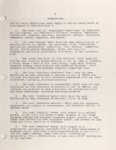
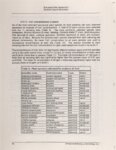
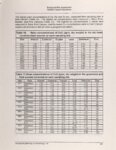
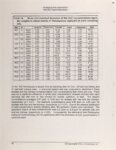
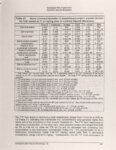
Show 6 Page 3 -93: Under the "Shallow Aquifer Water Quality"" the "heading, preliminary draft EIS included selenium instead of lead as a metal exceeding UGWQS. 11. Page 3-94: impoundment slurry tailings at "Tailings a of rate are 45,000 slurried to the to existing tailings Water used 60,000 gpm. to " Ground water is derived from many sources from the Bedrock Aquifer and the Principal Aquifer is utilized to some extent for this operation. Where are the withdrawal wells located and does the pumpage from these wells impact vertical The draft gradients in the vicinity of the proposed project? discusses the locations of the nearest report drinking water only wells but wells are also notes that industrial supply supply in the area. located and what Where are these present impacts do they have ... the on local ground-water flow system? over time, fluid buildup in the be expected to reverse the local shallow to downwad. Depending on the amount of the aquifer withdrawals could pumpage referred to above, accentuate the downward vertical gradient effect (i.e., ground water flow in the impacted area could reverse and be from the tailings to the shallow water table aquifer to the deep Principal As indicated in the DEIS, tailings impoundment gradient from upward The the Aquifer). of 12. for each of Page 3-96: soils and performed on can should provide of water used to Final EIS sources The metals contribution by volume slurry tailings. a concentrations tailings are total metals. tailings metals to determine provided and compared analyses been Have the extractable metals It is doubtful that the reworked, man-deposited concentrations? will as do naturally-deposited soils. behave In fact, tailings the discussion of Acid Generation Potential of Tailings on pages 3-97 through 3-99 indicates that the potential for leaching of metals from the tailings does exist. This issue relates to a similar concern discussed in Comment #16 below. in Table 3-18 (page 3-97) and the clay minerals, obtained during leaching tests presence 3-103, paragraph 3), may suggest the presence of a (page relatively impermeable natural clay mineral barrier, possibly formed by fine clay mineral particles in the ore and mill feed. This may also relate to the reference on page 3-98, 3rd set of bullets, "The great difficulty experienced by the Applicant in dewatering the tailings". 13. Page 3-97: of The data illitic The discussion above raises the following concern. The presence of sufficient clay minerals in the ore/mill feed may prevent drainage of fluids through the saturated tailings in the expansion impoundment and buil a h,ydraulic head above the slag If the impoundment were breached (for drainage blanket. example, due to a seismic event), could a condition then exist where the underlying slag drainage layer is incapable of draining the |