| OCR Text |
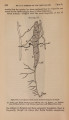
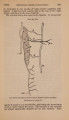
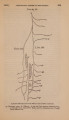
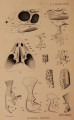
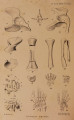
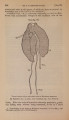
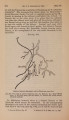
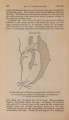
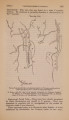
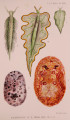
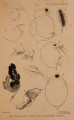
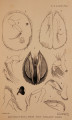
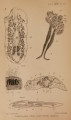
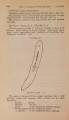
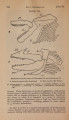
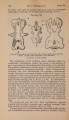
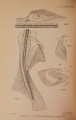
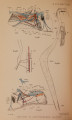
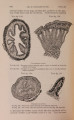
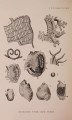
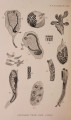
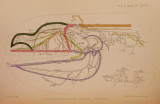
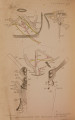
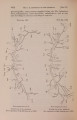
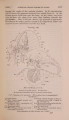
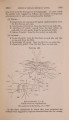
Show 886 MR. W. WOODLAND ON THE [Nov. 27, external carotid ; E X .R ., external rectus muscle; H Y.VI I., hyomandibular of facialis ; 1JST.R., internal rectus muscle; I.M.V., inferior maxillary of trigeminus; I.R., inferior rectus muscle; M N .V ., mandibular of trigeminus; M .3 , muscle in connection with jaw in floor ot orbit; O.P.VII., ophthalmicus profundus of facialis; O.S.VII., ophthalmicus superficialis of facialis; O. V. & V II., ophthalmic branches of trigeminus and facialis; P., large process attached to upper jaw; PS.VII., pre-spiracular of facialis; P.VII., palatine (?) of facialis; S.M.V., superior maxillary of trigeminus; S.O., superior oblique muscle; S.R., superior rectus muscle; I., olfactorius; II., opticus; I I I ., oculo-motorius; IV ., trochlearis; V.L., small branch from superior maxillary of trigeminus; VI.,abducens; V II . & V., three roots of facialis and trigeminus; V II I ., auditorius. Fig. 17. Dissection of the cranial nerves in the right orbital region. Three rectus muscles removed. Most reference-letters same as in tig. 16. G., ganglion ; M. 1, M. 2, large muscles in connection with jaws ; MV., small branches ot trigeminus to jaw-muscles. 18. Female genitalia. M., mesentery; 0 ., median oviducal aperture; OD.A., anterior part of oviduct ; OD.G., oviducal gland ; OD.M., middle (uterine) portion of oviduct; OD.P., thick-walled posterior portion of oviduct; OV., ovary. 19. Anterior arteries supplying the oviduct. B., coagulated blood in posterior cardinal sinus; D.A., dorsal aorta. P l a t e L X I I . Centrophorus calceus. Fig. 20. Ventral, dorsal, and lateral views of an embryo. 21. Alimentary tract of embryo. B.D., bile-duct; C.A., cloacal aperture; •T., mass covering junction of large intestine with stomach; L.I., large intestine; 11. G., rectal gland; S., stomach; U., umbilical duct; V., ventricle of heart. 22. Urinogenitalia of embryo. C.A., cloacal aperture; G., gonads; P.I)., pronephric duct; T., nietanierically-arranged tubules of kidney. 5. A Suggestion concerning the Origin and Significance of the " Renal-Portal System/' with an Appendix relating to the Production of Sub-abdominal Veins. By w. w o o d l a n d , F.Z.S., Demonstrator of Zoology, King's College, London. [Received October 8, 1906.] (Text-figure 139.) Literature relating to the " renal-portal system " is of small extent and, so far as I am aware, a recent consideration of the subject does not exist. It is doubtful if any physiologist at the present time holds a definite opinion as to the function of this association of kidney and vein, and, though it is universally termed a " portal system, few realise the absurdities involved bv such a supposition. It is in order to expose these absurdities and to suggest what is to my mind a more rational interpretation of this very general feature of vertebrate anatomy that I have ventured, without bringing forward any new facts, to publish the following lines. In what follows I have for consistency's sake replaced the terms " renal portal system ' and " renal-portal vein " by " renal cardinal mesh work and " post-renal vein " (expressions not associated with a theory), and I will proceed to justify this change of nomenclature by first stating as briefly as possible the arguments adverse |