| OCR Text |
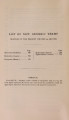
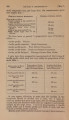
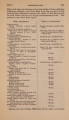
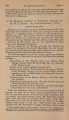
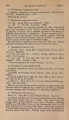
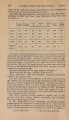
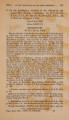
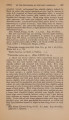
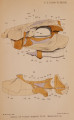
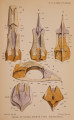
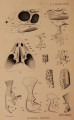
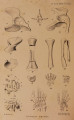
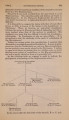
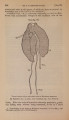
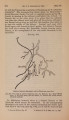
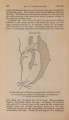
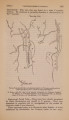
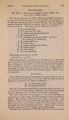
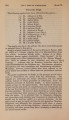
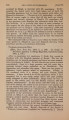
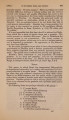
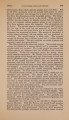
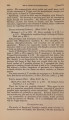
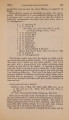
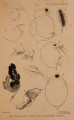
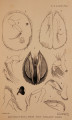
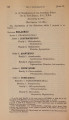
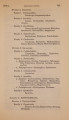
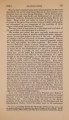
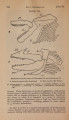
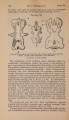
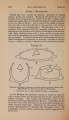
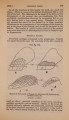
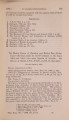
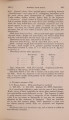
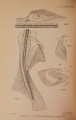
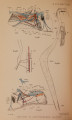
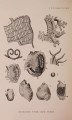
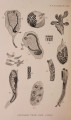
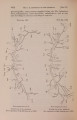
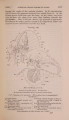
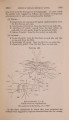
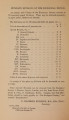
Show 600 ON A SOUTH AFRICAN DIAPTOSAURIAN REPTILE. [May 29, cates that the skull has the temporal region roofed or fenestrated ; the second letter, P or A, indicates that a precoracoid is present or absent; and the third, PI or T, that the pelvis is plate-like or triradiating. It will be observed that all the orders occurring in the Permian have the pelvis plate-like, all have notochordal vertebrae, and most have retained the precoracoid, while all those that first appear in the Trias show no trace of a precoracoid. I have included among the Diaptosaurians a new suborder, or possibly order, Proterosuchia, of which Proterosuchus may be taken as the t}^pe. Boulenger is inclined to place it near to Ornithosuchus, but the palate is very different in the two genera, and the presence of rows of teeth on the pterygoids of the African genus seems of sufficient importance to remove it from the Phytosauria. It seems to me worthy of being placed in at least a distinct suborder. The Phytosauria might, I think, be included among the Diaptosaurians. Further research in the Permian and Triassic rocks is pretty certain to reveal a large number of new groups-groups which are ancestral to the Plesiosaurs, the Ohelonians, the Lizards, and the Ichthyosaurs at least. EXPLANATION OF THE PLATES. Ang., Angulare; c., centrale; Cl., clavicle ; Co., coracoid ; D., dentary; F ., fibula; f ., fibulare; Fr.,frontal; H y .,hyoid; i.,intermedium ; I .c l.,interclavicle; I I .,ilium; Is., ischium; Ju., jugal; L., lachrymal; Mx., maxilla; Na., nasal; Orb., orbit; Pa.,parietal; Pal., palatine; Pmx., premaxilla; Po.f.,postfrontal; Po.o.,postorbital; Pt., pterygoid; P.Vo., prevomer; Pu., pubis; S.Ang., surangular; Sc., scapula; Sq., squamosal; S.Sc., suprascapular; T., tibia; t., tibiale; T.P., transpalatine; 1,2, 3, 4, tarsalia; I, II, I I I , IV , V, metatarsalia. P l a t e XL. Fig. 1. Restoration of skull of Howesia brotoni. Nat. size. 2. Restoration of palate of Howesia hrowni. Nat. size. 3. Specimen A showing portion of mandible and cast of jugal and other bones. Nat. size. 4. Jugal and postorbital bones of Hoivesia browni (specimen B). Nat. size. 5. Portion of upper surface of skull oi,Howesia browni (specimen B). Nat. size. 6. Remains of palate as shown in specimen A. Nat. size. 7. Portion of left dentary showing teeth (specimen A). X 3. 8. Middle portion of left maxilla showing teeth (specimen A ). X 3. 9. Posterior part of left maxilla showing teeth (specimen B). X 3. 10. Shoulder-girdle as preserved (specimen B). Nat. size. 11. Restoration of shoulder-girdle of Howesia browni. Nat. size. 12. Shoulder-girdle of young Sphenodon, after Howes & Swinnerton. 13. Humerus of Howesia browni. Nat. size. P l a t e X L I. Fig. 14. Anterior caudal vertebra of Howesia browni. Nat. size. • 15. Side view of pelvis of Howesia browni. Nat. size. 16. Side view of pelvis of FJrythrosucJms africanus. X yV 17. Inner view of right ilium of Hoivesia broivni. Nat. size. 18. Under view of left pubis of „ „ „ 19. Front view of left femur of „ „ „ 20. Proximal end of left femur of „ „ „ 21. Front view of left tibia of „ „ „ 22. Side view of left tibia and fibula of Hoivesia browni. Nat. size. 23. View of the foot as preserved. Nat. size. 24. A second view of the foot as preserved. Nat. size. 25. Restoration of the tarsus and metatarsus of Howesia. Nat. size. 26. Foot of Sphenodon punctatus. Stage R. Magnified. 27. „ „ „ Stage Q. Magnified, after Howes & Swinnerton. 28. Foot of Procolophon trigoniceps. Nat. size. |