| OCR Text |
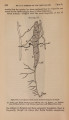
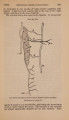
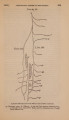
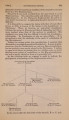
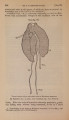
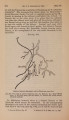
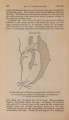
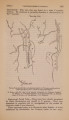
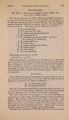
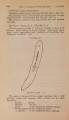
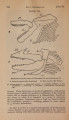
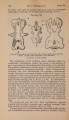
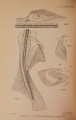
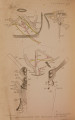
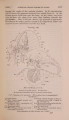
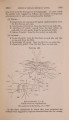
Show 75 4 MR. C. TATE REGAN ON [June 19, Family 1. R hinobatiDjE. Dorsal fins tw o ; caudal fin present; pectorals of varying extent; pelvics not notched. Basalia of the dorsal fin in small number (2 only supporting the radials of the fin); radials rather numerous, simple, short or of moderate length, not nearly extending to the free edge of the fin. One or more of the radials of the pectoral fin often articulated directly to the pectoral arch between mesopterygium and metapterygium. Mixopterygia with 3 or 4 proximal axial segments, with the marginal cartilages long and extending to the proximal end of the axial cartilage (in Rhinobatus), with three terminal pieces and a large ventral covering piece, and with the glandular body extending nearly to the distal end of the appendage. Yertebral column with the secondary calcification either homogeneous or lamellar in structure, complete or forming 8 rays-a dorsal, a ventral, 2 lateral, and the others between them. Text-fig. 123. Diagrams illustrating the relations of pectoral arch and vertebral column in the Narcobatoidei (A), Pleurotremata (B), and Batoidei (C). v, vertebral column ; c, coraco-scapular cartilage ; s, suprascapula. In the Pristinae the produced rostrum is armed on each side with a series of teeth and the pectoral fins do not reach the prse-orbital cartilages. The extinct Sclerorhynchus occurs in the Cretaceous and Pristis dates from the Eocene. In the Rhinobatinae the snout is not armed with teeth and the praeorbital cartilages articulate with the propterygia. Rhinobatus of the present day had several representatives in Jurassic and Cretaceous times. The remarkable Jurassic genus Astrodermus should apparently be placed here. |