| OCR Text |
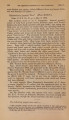
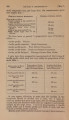
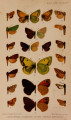
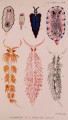
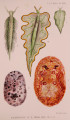
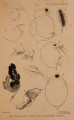
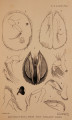
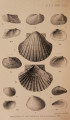
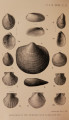
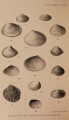
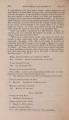
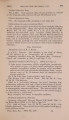
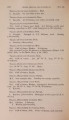
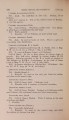
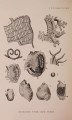
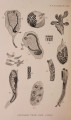
Show which has a similarly gorgeous coloration, though there are some differences of detail. For instance, in Kelaart's animal the rhinophores have not red tips, but a red ring below a black tip. Elysia picta Verrill, from the Bermudas, has a somewhat similar brilliant coloration, and also the unnamed species noticed by Magarelli in his " Note biologiche sugli Opisthobranchi del Golfo di Napoli" (Atti della Soc. Ital. Milano, 1903, vol. xlii. p. 283). It is possible that these forms are not true Elysias, but belong to Thuriclilla or some allied genus. E l y s ia pu n c ta ta Kelaart. (Plate XLVI. fig. 5.) (Kelaart, 1. c. II. p. 493. Cf. Elysia nigropunctata Pease, Amer. Journal of Concliol. 1870-71, p. 304; and Bergh, Journal des Mus. Godefiroy, Heft ii. 1873, pp. 80-82.) This species appears to be the same as Elysia nigropunctata Pease; and as the plate indicates that the rhinophores and the pericardium are bordered with red, it probably represents the var. sanguinea of Hedley (Mem. of Australian Mus. iii. 7, March 1897, p. 486). The name punctata (1859) has priority over nigropunctata (1871). EXP LAN A TIO N OF THE PLATES. 6 9 0 ON NUDIBRANCHS OF SOUTHERN INDIA AND CEYLON. [June 19, P l a t e X L I I . Fig. 1. Chromodoris amabilis, p. 642. 2. C.jidelis, p. 642. 3. C. preciosa, p. 642. 4. Trippa luteola, p. 658. 5. Doris rvfopunctata, p. 667. 6. D. castanea, p. 667. 7. Do., underside. Fig. 8. Doris constantia, p. 667. 9. Do., underside. 10. Phyllidia zeylanica, p. 674. 11. PIeurophyl I idia formosa, p. 679. 12. Do., underside. P l a t e X L I I I . Fig. 1. Chromodoris tennentana, p. 643. 2. C. diardii, p. 643. 3. Doris elizabethina, p. 666. 4. Eolis effulgens, p. 686. Fig. 5. Eolis tristis, p. 686. 6. E. paulince, p. 686. 7. Elysia ccerulea, p. 689. P l a t e X L IV . Fig. 1. Chromodoris fjlenici, p. 643. 2. Trippa spongiosa, p. 660. Fig. 3. Doris bellicosa, p. 666. 4. D. picta, p. 666. Fig. 1. Trippa monsoni, p. 660. 2. Doris aripona, p. 667. 3. D. papillosa. p. 666. 4. Samla bicolor, p. 685. P l a t e X L V . Fig. 5. Eolis smedleyi, p. 685. 6. E. husseyi, p. 686. 7. E. nodulosa, p. 686. Fig. 1. Doris loclcyerana, p. 666. 2. D. viperina, p. 666. 3. Stiliqer ? viridis, p. 686. P l a t e X L V I . Fig. 4. Elysia grandifolia, p. 689. 5. E. punctata, p. 690. |