| OCR Text |
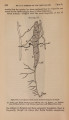
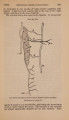
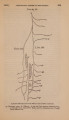
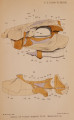
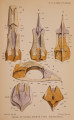
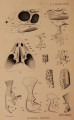
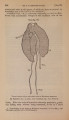
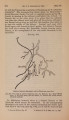
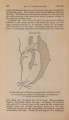
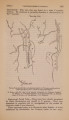
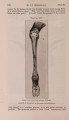
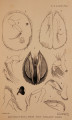
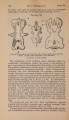
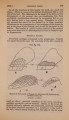
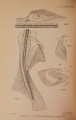
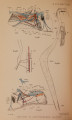
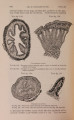
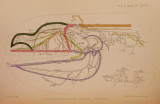
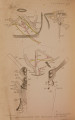
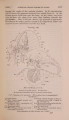
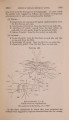
Show 8 7 8 MR. W. WOODLAND ON THE [Nov. 27, parallel with the inferior rectus muscle in both orbits, and was probably in connection with the lining membrane of the orbit. As described below, a distinct supra-neural vein was present in the hind caudal vertebrae. T h e N ervous S y s t em . The brain of Centrophorus calceus (PI. LX. fig. ‘15) is of the normal selachian type, with how7ever modifications of shape adapted to the elongated snout of the animal. The extremely long slender olfactory lobes are well-marked oft* from the prosencephalon, for example, and this latter is also well-defined and distinctly separated into two lobes by a median longitudinal groove. The thalamencephalon is similarly elongated in adaptation to the shape of the head. The large cerebellum has both longitudinal and transverse constrictions dorsally, the optic lobes and restiform bodies are large and the medulla oblongata broad. The tracts of nerve-fibres described by Jackson & Clarke as present in the floor of the cavity of the medulla oblongata of Echinorhinus spinosus -the anterior pyramids, teretial tracts, ganglionated tracts (especially well-marked), and " external strands of the medulla oblongata "-are all present and w-ell-marked in the case of C. calceus. On the ventral surface the infundibulum and pituitary stalk and body are well-defined, and the saccus vasculosus extends right round the base of the pituitary body. The cranial nerves of C. calceus are, at least judging irom a comparison of them with those of Scyllium canicula, Hexanchus 2 , Echinorhinus spinosus20, Chimcera26. Spinax acanthias2G, Lcemar-gus27, Mustela Iceris ~s, Raja 2T, and the Torpedo 29, peculiar, and the interpretations I shall put upon the various branches of the trigeminal and facialis are offered as suggestions only. However, though my interpretations of the facts may turn out to be incorrect, I can absolutely guarantee the correctness of the facts themselves, and this being the case, my figures may be of some use to speculative nerve-morphologists. There is nothing to remark upon concerning the olfactory, optic, oculo-motor, abducent, auditory, glosso-pharyngeal, and vagus nerves: they are all more or less of the ordinary Dogfish type. With regard to the patheticus or trochlear nerve, this in the left orbit apparently sends two branches to the superior oblique muscle but only one in the right, and in both orbits the nerve comes into contact for a quarter-of-an-incli or so with the ophthalmicus superficialis of the facial which runs 2o " Ueber die Jvopfnerven von Hexanclius und ihr Vevhaltniss zur " Wirbeltheorie des Schadels. ' C. Gegenbaur. Jena. Zeitschr. vol. vi. 1871. 1 ^ ‘ Das peripherisclie Nervensystem der Fisclie.' H. Stannius. Rostock, 1849. " On tlie Cranial Nerves of Elasmobrancli Fishes. Preliminary Communication." J. C. Ewart. Proc. Roy. Soc. vol. xlv. 1889. * ~ -s " The Lateral Sensory Canals, the Eye-Muscles, and the Peripheral Distribution of certain of the Cranial Nerves of Mustelus Iceris" E. P. Allis. Q. J. M. S. n. s. xlv. (2) 1901. 1 he Cranial Nerves of the Torpedo (Preliminary Note)." J. C. Ewart. Proc. Roy. Soc. vol. xlvii. 1890. |