| OCR Text |
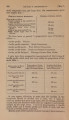
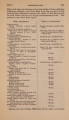
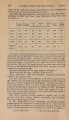
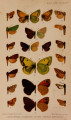
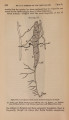
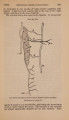
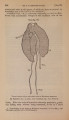
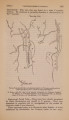
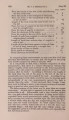
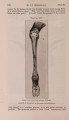
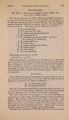
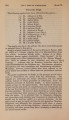
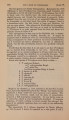
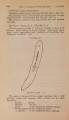
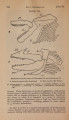
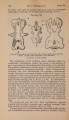
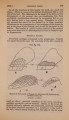
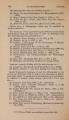
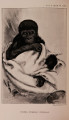
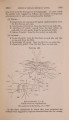
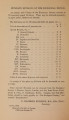
Show 626 MR. F. E. BEDDARD ON A [May 29, 4. Description of the External Characters of an unborn Foetus of a Giraffe (Giraffa Camelopardalis wardi). B y F r a n k E. B e d d a r d , M.A., F.R.S., Prosector to the Society. [Received May 29, 1906.] (Text-figures 107-109.) On May 5th (Saturday) of the present year the female Transvaal Giraffe purchased by the Society in 1895* died, and was examined on the Monday following at the Prosectorium. The animal was found to be pregnant, and the foetus was female. Inasmuch as the foetus was not of full-time, it became a matter of importance to determine its age and to compare its appearance with that of the newly born Giraffe. The newly born Giraffe has been described by the late Sir Richard Owen t, and the time of gestation varies from 431 to 444 days, according to his statements. The age of the foetus upon which I report here is a matter of inference. Mr. Pocock has been so good as to furnish me with the following facts bearing upon this question. It appears that the mother was " on heat " from May 1905 to the end of August or beginning of September. This condition then ceased. The reason for this cessation must have been either conception or the end of the period of heat. The latter view was the one taken until the death of the animal revealed the foetus. Thus the foetus was about 8 calendar months old. A nearer estimate than this cannot be formed. The foetus may be said therefore to have passed about two-thirds of the normal period of gestation. The most striking feature exhibited by the foetus is undoubtedly the total absence of the least trace of the characteristic markings of the Giraffe. The colour was nearly uniform, and I give later a fuller description of the hues of the coat in various regions of the body. The horns are very prominent with long hairs, and a cartilaginous (?) horn-core could be felt within each. The early development of these as compared with some ruminants is noteworthy. The proportions of the body are shown in the accompanying figure (text-fig. 107) and the lengths of different regions of the body and limbs are indicated by the table of measurements which follows. The most striking difference from the adult Giraffe is, as it appeal s to me, the comparative shortness of the neck, which is quite visible in the figure (text-fig. 107). The general appearance of the head and neck is, apart, of course, from the horns, not unlike that ol a Lama; there is no particular suggestion of the * See P. Z. S. 1895, p. 161. 1868^oriiL°p!'73°9? VOl‘ iii' P* 21> and C0mp‘ Auat & PhyS* Vertebrates, London, |