| OCR Text |
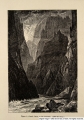
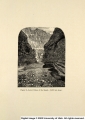
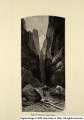
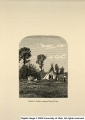
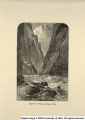
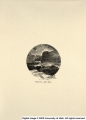
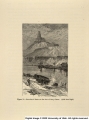
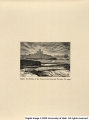
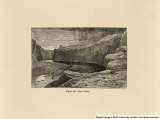
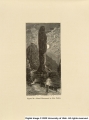
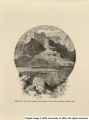
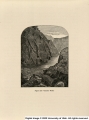
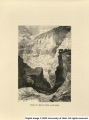
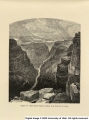
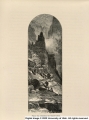
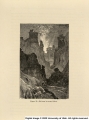
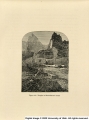
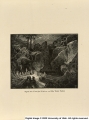
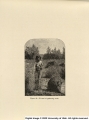
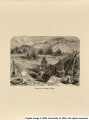
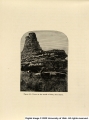
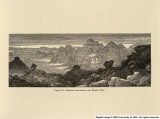
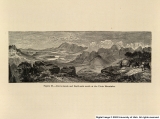
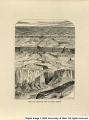
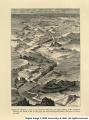
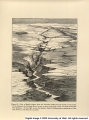
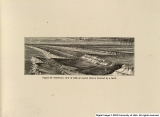
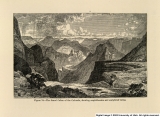
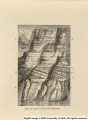
Show 174 EXPLORATION OF THE CANONS OF THE COLORADO. hasty trip made through that country, it is believed that they are cut off by a system of monoclinal folds. To the west they are known to gradually run out in plateaus and mountains, which have another oro-graphic origin. - Climb the cliff at the end of Labyrinth Canon, and look over the plain below, and you see vast numbers of buttes scattered about over scores of miles, and every butte so regular and beautiful that you can hardly cast aside the belief that they are works of Titanic art. It seems as if a thou- •/ • • sand battles had been fought on the plains below, and on every field the giant heroes had built a monument, compared with which the pillar on Bunker Hill is but a mile stone. But no human hand has placed a block in all those wonderful structures. The rain drops of unreckoned ages have cut them all from the solid rock. ' . Between the foot of Gray Canon and the head of Labyrinth Canon we descend through many hundred feet of soft shales, sandstones, marls, and gypsiferous rocks of a texture so friable that no canon appears along the course of the Green, but along the southern border of the terrace above the Orange Cliffs, buttes of gypsum are seen. Sometimes the faces of these rbuttes are as white as the heart of the alabaster from which they are carved, while in other places they are stained and mottled red and brown. As we come near to the Book Cliffs the buttes are seen to be composed of the same beds as those seen in the escarpment, and we see the same light blue buttresses and terraced summits. On the terrace above the Book Cliffs, the buttes are less numerous, but the few seen have the angular, irregular appearance of the Brown Cliffs. The summit of the high plateau through which the Canon of Desolation is cut, is fretted into pine clad hills, with nestling valleys and meadow bordered lakes, for now we are in that upper region where the clouds yield their moisture to the soil. In these meadows herds of deer carry aloft with pride their branching antlers, and sweep the country with their sharp outlook, or test the air with their delicate nostrils for the* faintest evidence of an approaching Indian hunter. Huge elk, with heads bowed by the weight of ragged horns, feed among the pines, or trot with headlong speed through the undergrowth, frightened at the report of the red man's rifle. Eagles |