| OCR Text |
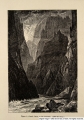
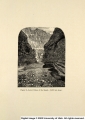
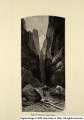
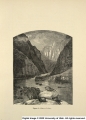
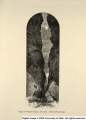
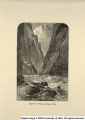
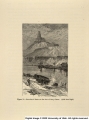
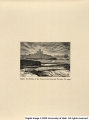
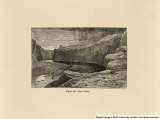
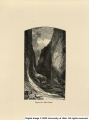
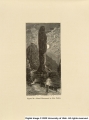
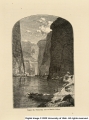
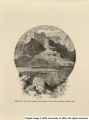
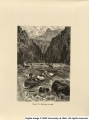
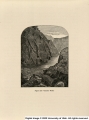
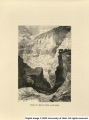
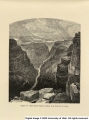
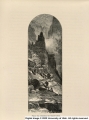
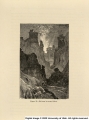
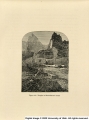
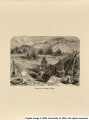
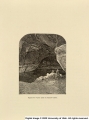
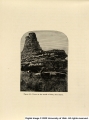
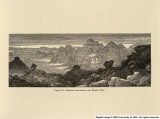
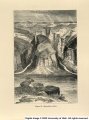
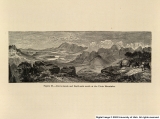
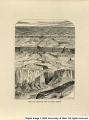
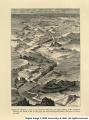
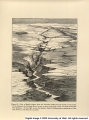
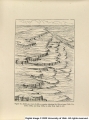
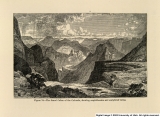
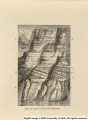
Show CHAPTER XI THE PHYSICAL FEATURES OF THE VALLEY OF THE COLORADO. The topographic features of the valley of the Colorado, or the area drained by the Colorado River and its tributaries, are, in many respects, unique,'as some of these features, perhaps, are not reproduced, except to a very limited extent, on any other portion of the surface of the globe. Mountains, hills, plateaus, plains, and valleys are here found, as elsewhere throughout the earth; but, in addition to these topographic elements in the scenic features of the region, we find buttes, outlying masses of stratified rocks, often of great altitude, not as dome shaped or conical mounds, but usually having angular outlines; their sides are vertical walls, terraced or buttressed, and broken by deep, re-entering angles, and often naked of soil and vegetation. V- Then we find lines of cliffs, abrupt escarpments of rock, of great length and great height, revealing the cut edges of strata swept away from the lower side. Thirdly, we find cafions, narrow gorges, scores or hundreds of miles in length, and hundreds or thousands of feet in depth, with walls of precipitous rocks. In the arid region of the western portion of the United States, there are certain tracts of country which have received the name of mauvaises terres, or bad-lands. These are dreary wastes-naked hills, with rounded or conical forms, composed of sand, sandy clays, or fine fragments of shaly rocks, with steep slopes, and, yielding to the pressure of the foot, they are climbed only by the greatest toil, and it is a labor of no inconsiderable magnitude to penetrate or cross such a district of country. The steep hills are crowded together, and the water-ways separating them are deep array as. Where the mud rocks or sandy clays and shales, of which the hills are composed, are interstratified with occasional harder beds, the slopes are terraced; and when these thinly bedded, though harder, rocks prevail, the |