| OCR Text |
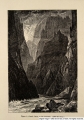
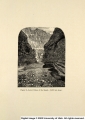
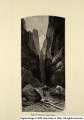
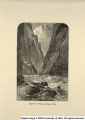
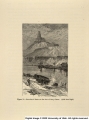
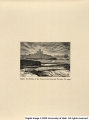
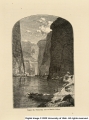
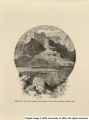
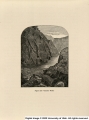
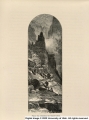
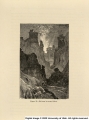
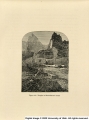
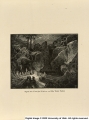
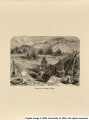
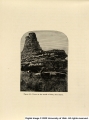
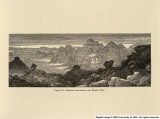
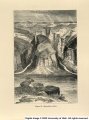
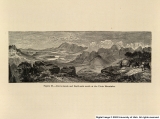
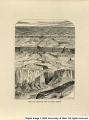
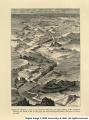
Show 206 EXPLORATION OF THE CANONS OF THE COLORADO. There is still another agency in the production of topographic features, viz, the eruption of molten matter from below the general surface. The beds formed are soon modified by erosion, and then the forms produced are due to that agency, and fall under the general series. But there is a time, immediately after the eruption, when these beds lie in forms due to igneous dynamics, and the most important features produced are cones. These cones are very conspicuous features of the landscape over much of the region drained by the Colorado River. The district of country drained by the Colorado and its tributaries is divided into two parts, by a well marked line of displacements. The lower third of the valley, which lies southward from this line, is but little above the level of the sea, except that here and there ranges of mountains are found. From this region, there is usually a bold step to a higher. - .The upper two-thirds of the area drained by the Colorado is from four to eight thousand feet above the level of the sea, with mountain ranges on the east, north, and west, of greater altitude. The bold step from the lower country to the table lands is usually an escarpment in rocks of Carboniferous Age, marked, here and there, by beds of lava, and along its margin stand many volcanic cones. San Francisco Mountain is made up of a group of these beds of eruptive matter, covering stratified rocks. This higher region is the one to which we have given especial attention in the previous discussion. The principal condensation of moisture occurs on and about the mountains standing on the rim of the basin, the region within being arid. Bad-lands, alcove lands, plains of naked rock, plains of drifting sands, mesas, plateaus, buttes, hog-backs, cliffs, volcanic cones, volcanic mountains, canons, cailon valleys, and valleys are all found in this region and make up its topographic features. Mountains, hills, and small elevated valleys are the features of the irregular boundary belt. No valley is found along the course of the Colorado, from the Grand Wash toward the sources of the river, until we reach the head of Labyrinth Canon. For this entire distance the base level of erosion is below the general surface level of the country adjacent to the river, but at Gunnison's Valley we have a local base level of erosion which has resulted in the pro- |