| OCR Text |
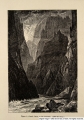
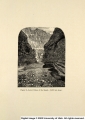
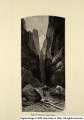
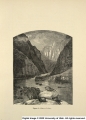
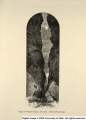
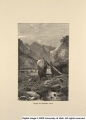
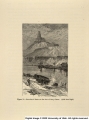
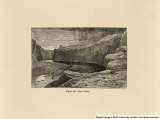
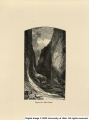
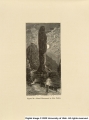
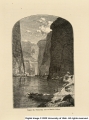
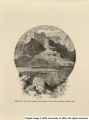
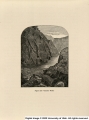
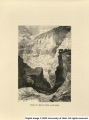
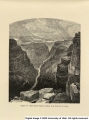
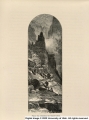
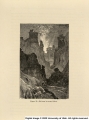
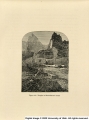
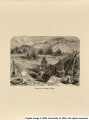
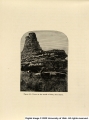
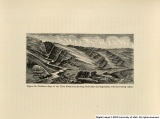
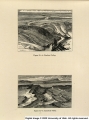
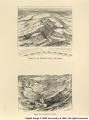
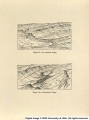
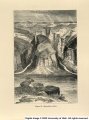
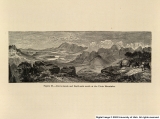
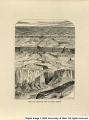
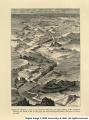
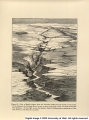
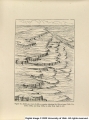
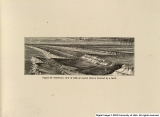
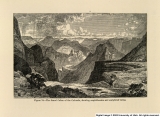
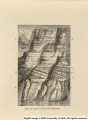
Show 136 EXPLORATION OF THE CANONS OF THE COLORADO. narrower canon, often as deep as the first, will be found. One such that wo followed is ten miles long, from fifty to three hundred feet deep, and frequently not more than ten feet wide at the top. As peculiar as the canons, are the mesas, sometimes miles in length, and only a few hundred yards in width, presenting in the distance the appearance of huge knife blades. These mesas are usually covered by a loose, sandy soil, though occasionally wide surfaces of bare rock are seen. Occasionally the canons widen into little, alcovelike valleys, a few acres in extent, rock walled, and covered by dense growths of grass, canes, or willows. Travel through this country was exceedingly slow and difficult. Our progress was often barred by a canon, along whose brink we were compelled to follow, till some broken down slope afforded a way to descend, then up or down the cafion, till another broken slope permitted us to ascend, then across a mesa to another canon, repeating the same maneuver a dozen times in half that number of miles. After a laborious day's work we made fifteen miles, and camped on the right bank of the Paria River, 800 feet below Camp No. 4, and at an altitude of about five thousand seven hundred feet above the level of the sea. From Camp No 5 we followed up the Paria River to its junction with Table Cliff Creek; then up the latter to its source. Here we climbed a thousand feet up a steep, clay ridge, having an average slope of 20°, and often not more than five feet in thickness at the top, to the head of a narrow valley called Potato Valley. Down this we traveled three miles, and made Camp No. 6 at a cool spring, in the middle df a beautiful meadow, 1,500 feet above our camp on the Paria River, and about seven thousand two hundred feet above the sea. To the* north, and three miles distant, Table Cliff Plateau rose 3,000 feet above us, its face a succession of inaccessible precipices, and steep, broken, tree-clad slopes. From the base of the cliffs, long ridges run out to the edge of the valley. To the east, low, rounded hills gradually rise higher and higher, till, at an elevation of 1,800 feet above camp, they roll off into a long, narrow plateau, bounded on the west by a well marked line of cliffs, beginning near the foot of Table Cliff Plateau, and continuing southeast sixty miles, to a point on the Colorado River opposite the Navajo Mountain. At the western terminus this line is somewhat broken, but |