| OCR Text |
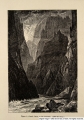
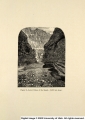
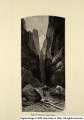
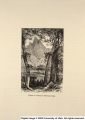
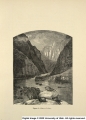
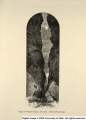
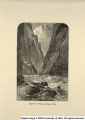
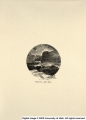
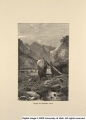
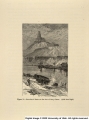
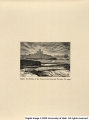
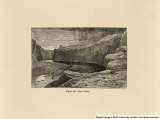
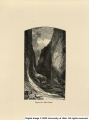
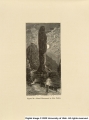
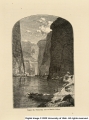
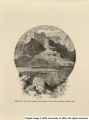
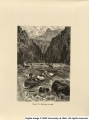
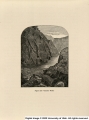
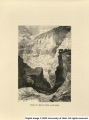
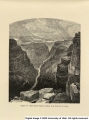
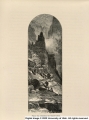
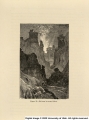
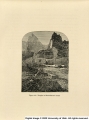
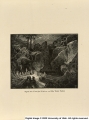
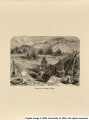
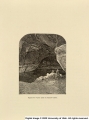
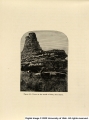
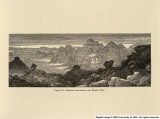
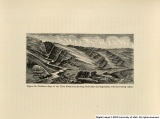
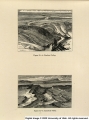
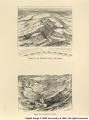
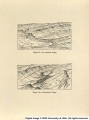
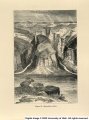
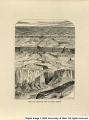
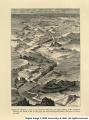
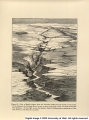
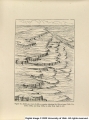
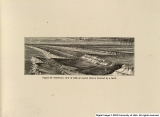
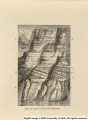
Show THE ALCOVE LAND. 151 The scenic features of the country are alike variable. On the cliffs about Green River City, towers and buttes are seen as you look from below, always regarded by the passing traveler as strange freaks of nature. The limestones, interstratified with shales, give terraced and buttressed characteristics to the escarpments of the canons and narrow valleys. Immediately south of Bitter Creek, on the east side of Green River, there is a small district of country which we have called the Alcove Land. On the east, it is drained by Little Bitter Creek, a dry gulch much of the year. This runs north into Bitter Creek, a permanent stream, which empties into the Green. The crest of this water-shed is an irregular line, only two to four miles back from the river, but usually more than a thousand feet above it, so that the waters have a rapid descent, and every shower born rill has excavated a deep, narrow channel, and these narrow canons are so close to each other as to be separated by walls of rock so steep, in most places, that they cannot be scaled, and many of these little canons are so broken by falls as to be impassable in either direction. The whole country is cut, in this way, into irregular, angular blocks, standing as buttresses, benches, and towers, about deep water-ways and gloomy alcoves. The conditions under which the canons have been carved will be more elaborately discussed hereafter. To the west of Green River, and back some miles, between Black's Fork and Henry's Fork, we have a region of buff, chocolate, and lead colored bad-lands. This bad-land country differs from the Alcove Land, above mentioned, in that its outlines are everywhere beautifully rounded, as the rocks of which it is composed crumble quickly under atmospheric agencies, so that an exposure of solid rock is rarely seen; but we have the same abrupt descent of the streams, and the same elaborate system of water channels. Here we have loose, incoherent sandstones, shales, and clays, carved, by a net-work of running waters, into domes and cones, with flowing outlines. But still there is no vegetation, and the loose earth is naked. Occasionally, a thin stratum of harder rock will be found. Such strata will here and there form shelves or steps upon the sides of the mountains. Traces of iron, and rarer minerals, are found in these beds, and on |