| OCR Text |
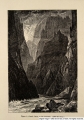
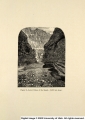
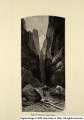
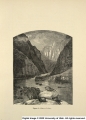
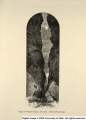
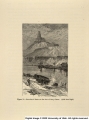
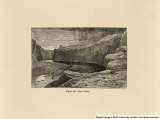
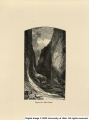
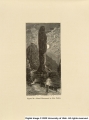
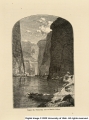
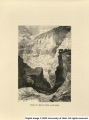
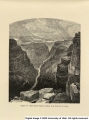
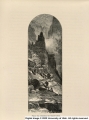
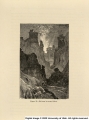
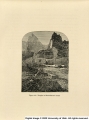
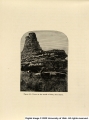
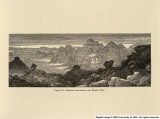
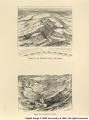
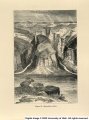
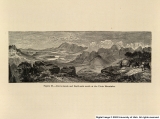
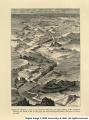
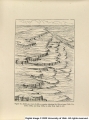
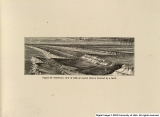
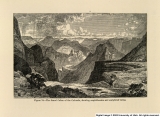
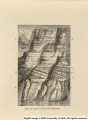
Show HENRY MOUNTAINS. 177 together that they are separated only by a narrow gorge of vertical homogeneous sandstone. This latter, though homogeneous in general structure, is banded with red and gray, so that the walls of the amphitheaters seem painted. In many places these walls are broken, and the coves are separated by lines of monuments. Where these coves or amphitheaters are farther apart, the spaces above are naked, presenting a smooth but billowy pavement of sandstone, in the depressions of which are many water pockets, some of them deep, preserving a perennial supply; but the greater number so shallow that the water is evaporated within a few days after the infrequent showers. In many places, especially in the sharp angles between gulches, the rocks are often fissured, and huge chasms obstruct the course of the adventurous climber. These canons, and coves, and standing rocks, and buttes, and cliffs, and distant mountains present an ensemble of strange, grand features. Wierd and wonderful is the Toom'-pin Wu-near' Tu-weap'. • . '' : ' .••:.:-...' GLEN CANON. ,. . '. -.-':. .... • '. V •', - ..V The deepest part of Glen Canon is found in the bend to the north, several miles above the mouth, of the Paria, where the river runs through the variegated beds. Its entire course is through rocks of Triassic Age, chiefly red sandstones. These rocks, beautifully exposed in the Orange Cliffs, return to the river down the western bank of the Dirty Devil, and we enter them again immediately below the mouth of that stream; and here we pass around the lower end of the fold which brought up the Carboniferous limestones and sandstones through which Stillwater, Cataract, and Narrow Canons are excavated. The group of mountains discovered in coming down Narrow Canon is composed of eruptive rocks in part, but only in part Quantities of molten matter poured out through some fissures here, and spread over the country before it had been eroded to its present depth; and this harder material, which came from the depths below, protected the sandstones, over which it was spread, from the degradation which befell the extension of the beds beyond the capping trachyte. The base of the 23 COL |