| OCR Text |
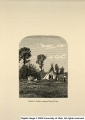
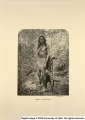
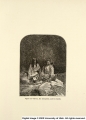
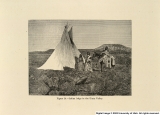
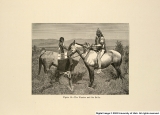
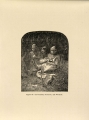
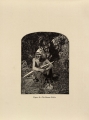
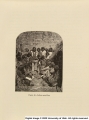
Show 126 EXPLORATION OF THE CANONS OF THE COLORADO. second cliff; up this we go, by easy stages, leading the animals. Now we reach the stinking water pocket; our ponies have had no water for thirty hours, and are eager even for this foul fluid. We carefully strain a kettleful for ourselves, then divide what is left between them-two or three gallons for each; but this does not satisfy them, and they rage around, refusing to eat the scanty grass. We boil our kettle of water, and skim it; straining, boiling, and skimming makes it a little better, for it was full of loathsome, wriggling larvae, with huge black heads. But plenty of coffee takes away the bad smell, and so modifies the taste that most of us can drink, though our little Indian seems to prefer the original mixture. We reach camp about sunset, and are glad to rest. September 19.-We are tired and sore, and must rest a day with our Indian neighbors. During the inclement season they live in shelters, made of boughs, or bark of the cedar, which they strip off in long shreds. In this climate, most of the year is dry and warm, and during such time they do not care for shelter. Clearing a small, circular space of ground, they bank it around with brush and sand, and wallow in it during the day, and huddle together in a heap at night, men, women, and children; buckskin, rags, and sand. They wear very little clothing, not needing much in this lovely climate. Altogether, these Indians are more nearly in their primitive condition than any others on the continent with whom I am acquainted. They have never received anything from the Government, and are too poor to tempt the trader, and their country is so nearly inaccessible that the white man never visits them. The sunny mountain side is covered with wild fruits, nuts, and native grains, upon which they subsist. The oose, the fruit of the yucca, or Spanish bayonet, is rich, and not unlike the paw-paw of the valley of the Ohio. They eat it raw, and also roast it in the ashes. They gather the fruits of a cactus plant, which is rich and luscious, and eat them as grapes, or from them express the juice, making the dry pulp into cakes, and saving them for winter; the wine they drink about their camp fires, until the midnight is merry with their revelries. They gather the seeds of many plants, as sunflowers, golden rods, arid grasses. For this purpose, they have large conical baskets, which hold two |