| OCR Text |
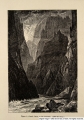
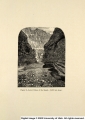
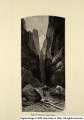
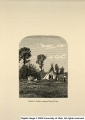
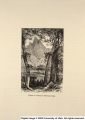
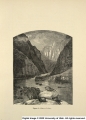
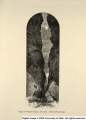
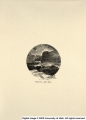
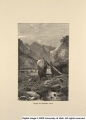
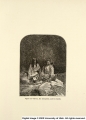
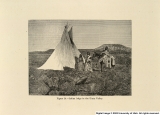
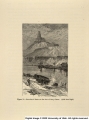
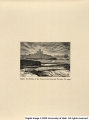
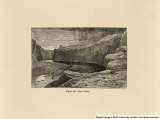
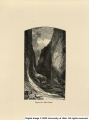
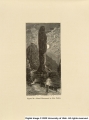
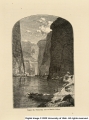
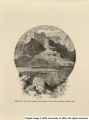
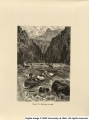
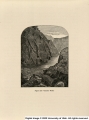
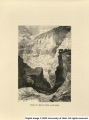
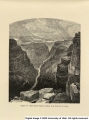
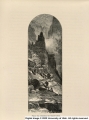
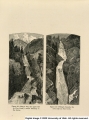
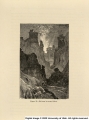
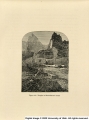
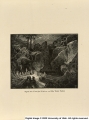
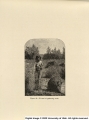
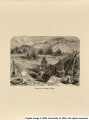
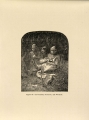
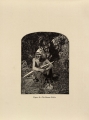
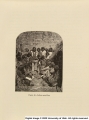
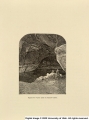
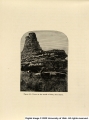
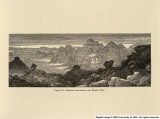
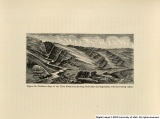
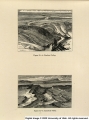
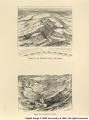
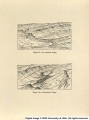
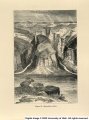
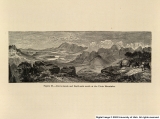
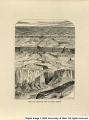
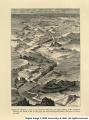
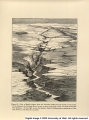
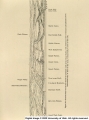
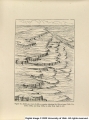
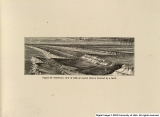
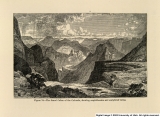
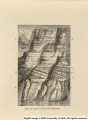
Show MU-KOON'-TU-WEAP CANON. 111 September 12.-Our course, for the last two days, through Pa-ru'-nu-weap Canon, was directly to the west. Another stream comes down from the north, and unites just here at Schunesburg with the main branch of the Rio Virgin. We determine to spend a day in the exploration of this stream. The Indians call the canon, through which it runs, M^l-koori-tu-weap^ or Straight Canon. Entering this, we have to wade up stream; often the water fills the entire channel, and, although we travel many miles, we find no flood-plain, talus, or broken piles of rock at the foot of the cliff. The walls have smooth, plain faces, and are everywhere very regular and vertical for a thousand feet or more, where they seem to break back in shelving slopes to higher altitudes; and everywhere, as we go along, we find springs bursting out at the foot of the walls, and, passing these, the river above becomes steadily smaller; the great body of water, which runs below, bursts out from beneath this great bed of red sandstone; as we go up the canon, it comes to be but a creek, and then a brook. On the western wall of the canon stand some buttes, towers, and high pinnacled rocks. Going up the canon, we gain glimpses of them, here and there. Last summer, after our trip through the canons of the Colorado, on our way from the mouth of the Virgin to Salt Lake City, these were seen as conspicuous landmarks, from a distance, away to the southwest, of sixty or seventy miles. These tower rocks are known as the Temples of the Virgin. Having explored this canon nearly to its head, we return to Schunesburg, arriving quite late at night. Sitting in camp this evening, C~hu-arr-ru-um-pedk, the chief of the Kaif-vav-its, who is one of our party, tells us there is a tradition among the tribes of this country, that many years ago a great light was seen somewhere in this region by the Pa-ru'-sha-pats, who lived to the southwest, and that they supposed it to be a signal, kindled to warn them of the approach of the NavajoSj who live beyond the Colorado River to the east. Then other signal fires were kindled on the Pine Valley Mountain, Santa Clara Mountains, and U-in-ka-ret Mountains, so that all the tribes of Northern Arizona, Southern Utah, Southern Nevada, and Southern California were warned of the approaching danger; but when the Pa-ruf-slia-pats came nearer, they discovered that it was a fire on one of the great Temples; and then they |