| OCR Text |
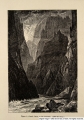
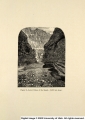
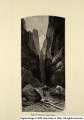
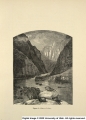
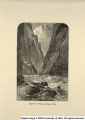
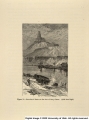
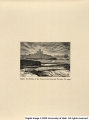
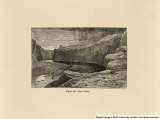
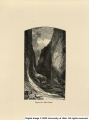
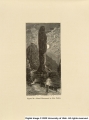
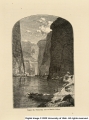
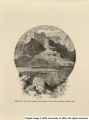
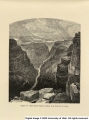
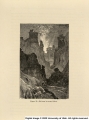
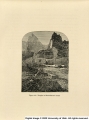
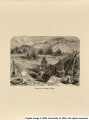
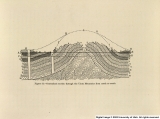
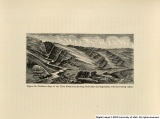
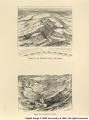
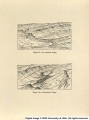
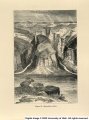
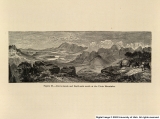
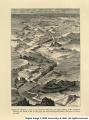
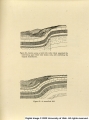
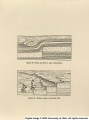
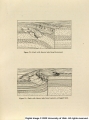
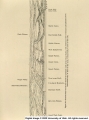
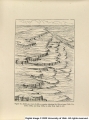
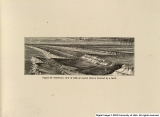
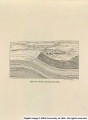
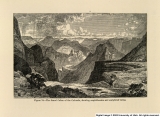
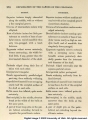
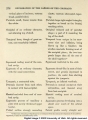
Show 152 EXPLORATION OF THE CANONS OF THE COLORADO. exposure to the air, the chemical agencies give a greater variety of colors, so that the mountains and cones, and the strange forms of the bad-lands, are elaborately and beautifully painted; not with the delicate tints of verdure, but with brilliant colors, that are gorgeous when first seen, but which soon pall on the senses. THE U1NTA MOUNTAINS. To the west of Green Eiver stand the Wasatch Mountains, a system of peaks, tables, and elevated valleys, having a northerly and southerly direction, nearly parallel to the river. The range known as the Uinta Mountains stands at right angles to the Wasatch, extending toward the east, and no definite line of division can be noticed. The Wasatch is a great trunk, with a branch called the Uinta. Near the junction, the two ranges have about the same altitude, and the gulches of their summits are filled with perpetual snow; but toward the east, the Uinta peaks are lower, gradually diminishing in altitude, until they are lost in low ridges and hills. Through this range Green River runs, and a series of canons forms its channel. To a person studying the physical geography of this country, without a knowledge of its geology, it would seem very strange that the river should cut through the mountains, when, apparently, it might have passed around them to the east, through valleys, for there are such along the north side of the Uintas, extending to the east, where the mountains are degraded to hills, and, passing around these, there are other valleys, extending to the Green, on the south side of the range. Then, why did the river run through the mountains? The first explanation suggested is that it followed a previously formed fissure through the range; but very little examination will show that this explanation is unsatisfactory. The proof is abundant that the river cut its own channel; that the canons are gorges of corrasion. Again, the question returns to us, why did not the stream turn around this great obstruction, rather than pass through it? The answer is that the river had the right of way; in other words, it was running ere the mountains were formed; not before the rocks of which the mountains are composed, were deposited, but before the formations were folded, so as to make a mountain range. |