| OCR Text |
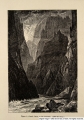
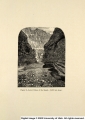
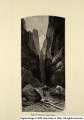
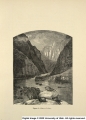
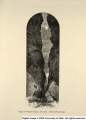
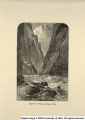
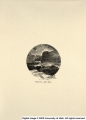
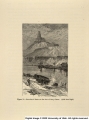
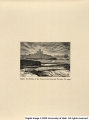
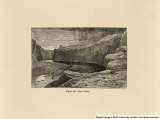
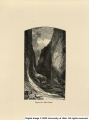
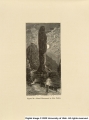
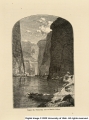
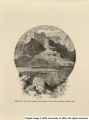
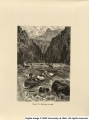
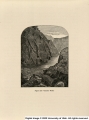
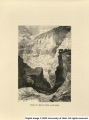
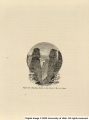
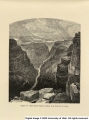
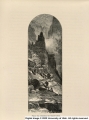
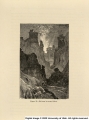
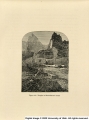
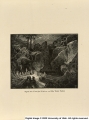
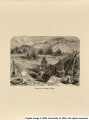
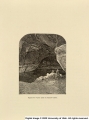
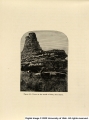
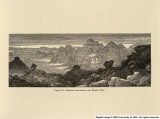
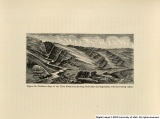
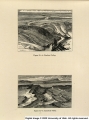
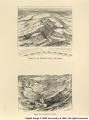
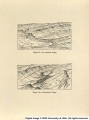
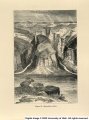
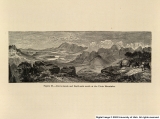
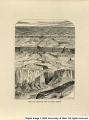
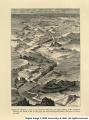
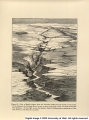
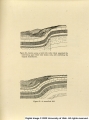
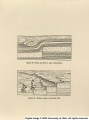
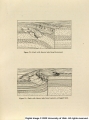
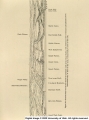
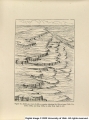
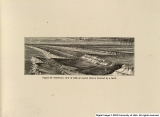
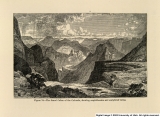
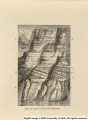
Show 196 EXPLORATION OF THE CANONS OF THE COLORADO. the walls of the Grand Canon of the Colorado, where it divides the twin plateaus. Having crossed the Western Kaibab Fault, the canon suddenly changes in character. The throw of the rocks being more than one thousand five hundred feet, we lose the granite, and the bed of the river is in the lemon colored rocks, and now for many miles the canon is comparatively straight, and the walls are much more regular. At the bottom we have the rusty beds, and then the lemon colored beds, and then the marble cliffs, and when we reach the summit of this limestone we^find the same bench as above, under the Kaibab Plateau, but here it is wider, ranging from two or three hundred yards to two or three miles. Then comes a sloping, bright red terrace, and back of it the cliffs of the cherty limestone, with standing rocks on the brink. You can stand on the southwestern corner of the Kaibab Plateau, and look over this straight stretch of canon for sixty miles. There seems to be a valley enclosed with walls one thousand five hundred or two thousand feet high, five to ten miles in width, with a narrow, winding gorge down its center. A few lateral canons come in on either side; so the walls are broken here and there, but the general outline is well preserved. Just before the river wheels again to the south, in the second great bend, it passes the To-ro'-weap Fault, which extends across the canon. The rocks have dropped down about eight hundred feet, and let the homogeneous limestone nearly down to the water. The fissure of this fault has been the channel through which floods of lava have been forced from depths below into the upper world. Many volcanic cones are seen standing along the line of the fault, or on the branches of the fissure. One of these volcanic cones stands on the very brink of the canon, and is the one of which mention was made in the account of the exploration. Passing this, the course of the river is southward, and once more the channel enters the granite. At the very apex of this bend, Diamond Creek makes its contribution from the south, and it was here that Lieutenant Ives and Doctor Newberry came down to the depths of the Grand Caiion. |