| OCR Text |
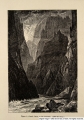
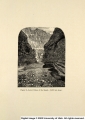
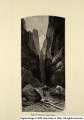
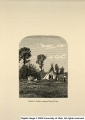
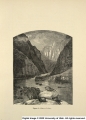
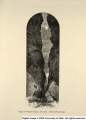
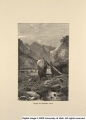
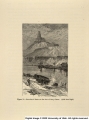
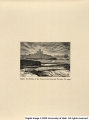
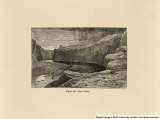
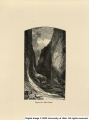
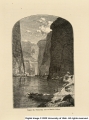
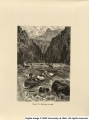
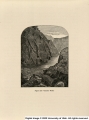
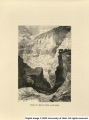
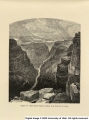
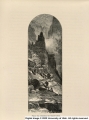
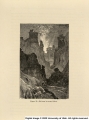
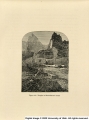
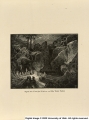
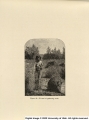
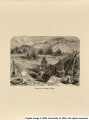
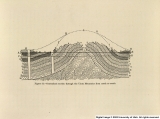
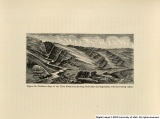
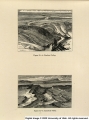
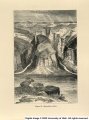
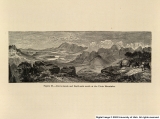
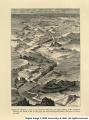
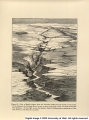
Show 18 EXPLORATION OF THE CANONS OF THE COLORADO. fall. One great cubical block, thirty or forty feet high, stands in the middle of the stream, and the waters, parting to either side, plunge down about twelve feet, and are broken again by the smaller rocks into a rapid below. Immediately below the falls, the water occupies the entire channel, there being no talus at the foot of the cliffs. ^ We embark, and run down a short distance, where we find a landing-place for dinner. On the waves again all the afternoon. Near the lower end of this canon, to which we have given the name Red Canon, is a little park, where streams come down from distant mountain summits, and enter the river on either side; and here we camp for the night under two stately pines. June 3.-This morning we spread our rations, clothes, &c., on the ground to dry, and several of the party go out for a hunt. I take a walk of five or six miles up to a pine grove park, its grassy carpet bedecked with crimson, velvet flowers, set in groups on the stems of pear shaped cactus plants; patches of painted cups are seen here and there, with yellow blossoms protruding through scarlet bracts; little blue-eyed flowers are peeping through the grass; and the air is filled with fragrance from the white blossoms of a Spirted. A mountain brook runs through the midst, ponded below by beaver dams. It is a quiet place for retirement from the raging waters of the canon. It will be remembered that the course of the river, from Flaming Gorge to Beehive Point, is in a southerly direction, and at right angles to the Uinta Mountains, and cuts into the range until it reaches a point within five miles of the crest, where it turns to the east, and pursues a course not quite parallel to the trend of the range, but crosses the axis slowly in a direction a little south of east. Thus there is a triangular tract between the river and the axis of the mountain, with its acute angle extending eastward. I climb a mountain overlooking this country. To the east, the peaks are not very high, and already most of the snow has melted; but little patches lie here and there under the lee of ledges of rock. To the west, the peaks grow higher and the snow fields larger. Between the brink of the canon and the foot of these peaks, there is a high bench. A number of creeks have their sources in the snow banks to th« south, and run north into the canon, turn- |