| OCR Text |
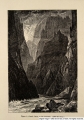
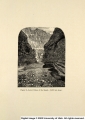
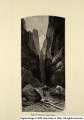
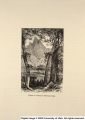
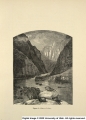
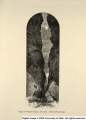
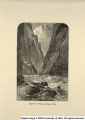
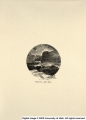
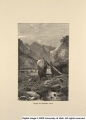
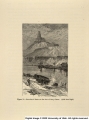
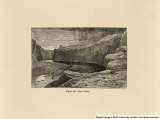
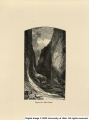
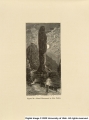
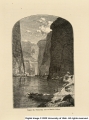
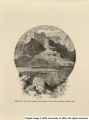
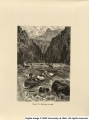
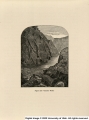
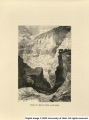
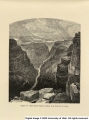
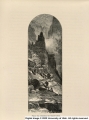
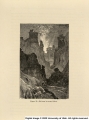
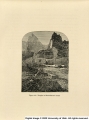
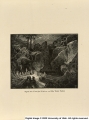
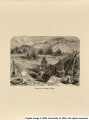
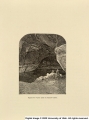
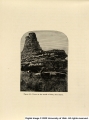
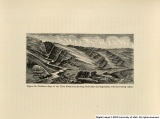
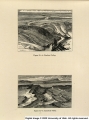
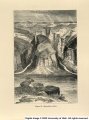
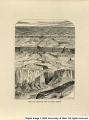
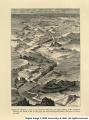
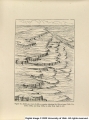
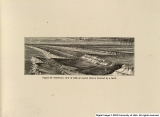
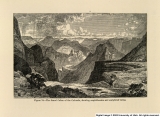
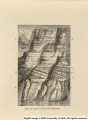
Show ENTERING THE GRANITE. 81 hour, and emerge into a more open portion of the canon, where high hills and ledges of rock intervene between the river and the distant walls. Just at the head of this open place the river runs across a dike; that is, a fissure in the rocks, open to depths below, has been filled with eruptive matter, and this, on cooling, was harder than the rocks through which the crevice was made, and, when these were washed away, the harder volcanic matter remained as a wall, and the river has cut a gate-way through it several hundred feet high, and as many wide. As it crosses the wall, there is a fall below, and a bad rapid, filled with boulders of trap; so we stop to make a portage. Then on we go, gliding by hills and ledges, with distant walls in view; sweeping past sharp angles of rock; stopping at a few points to examine rapids, which we find can be run, until we have made another five miles, when we land for dinner. Then we let down with lines, over a long rapid, and start again. Once more the walls close in, and w.e find ourselves in a narrow gorge, the water again filling the channel, and very swift. With great care, and constant watchfulness, we proceed, making about four miles this afternoon, and camp in a cave. August 14.-At daybreak we walk down the bank of the river, on a little sandy beach, to take a view of a new feature in the canon. Heretofore, hard rocks have given us bad river; soft rocks, smooth water; and a series of rocks harder than any we have experienced sets in. The river enters the granite!* We can see but a little way into the granite gorge, but it looks threatening. After breakfast we enter on the waves. At the veiy introduction, it inspires awe. The canon is narrower than we have ever before seen it; the water is swifter; there are but few broken rocks in the channel; but the walls are set, on either side, with pinnacles and crags; and sharp, angular buttresses, bristling with wind and wave polished spires, extend far out into the river. Ledges of rocks jut into the stream, their tops sometimes just below * Geologists would call these rocks metaniorpbic crystalline schists, with dikes and beds of granite, ,-* but we will use the popular name for the whole series-granite. 11 COL |