| OCR Text |
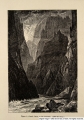
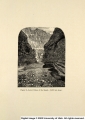
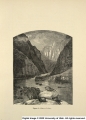
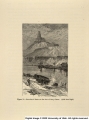
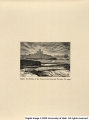
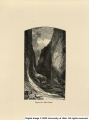
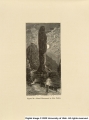
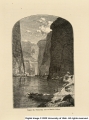
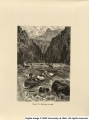
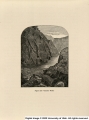
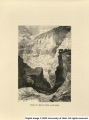
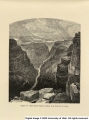
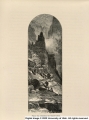
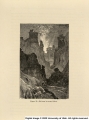
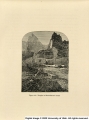
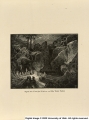
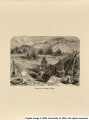
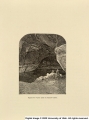
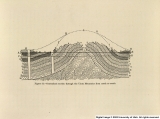
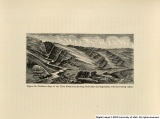
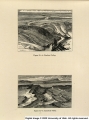
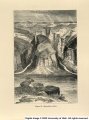
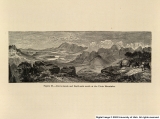
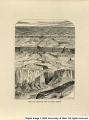
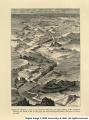
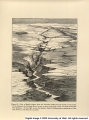
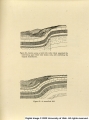
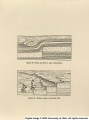
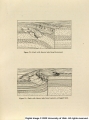
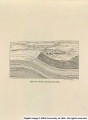
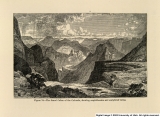
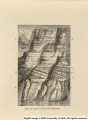
Show THE UINTA CANONS. 157 at least, of the apparent upheaval above mentioned may be accounted for by a depression of the formations in synclinal folds, and the letting down of broad areas of the earth's surface by lateral contraction exhibited in corrugation. When we arrive at a point a few miles north of Flaming Gorge, we strike the flank of this great fold, and find the rocks dipping to the north, and, as we run south, the course of the stream is against the inclination of the beds; and this is true, in the main, until we reach Bee Hive Point, where the river turns to the east, almost at right angles to its former course, and to the dip; then it runs nearly in the direction of the strike, but the axis is not crossed until after passing through Red Canon. The rocks on both sides of this canon dip'to the north; that is, they incline to the river on the south, and from it on the north. Under these conditions, the two walls of Red Canon present very different characteristics; that on the south exhibits steep slopes, covered, to a greater or lesser extent, with forests; the north wall is a bold escarpment, often vertical, and almost treeless; high cliffs, set with pinnacles and towers, and narrow side canons, are its salient features. From the foot of Red Canon to the Gate of Lodore, a distance of more than thirty miles, the river runs through a valley known as Brown's Park, five or six miles wide, and enclosed by mountains. It is a curious fact that the central line of this valley corresponds to the axis of the fold; that is, had the fold been made, and left without erosion, the very summit would have been directly above the deepest part of the park. When we enter the Gate of Lodore, we are in rocks dipping to the south, having crossed the axis of the fold. From here to Split Mountain Canon the general course is southwest, hence not directly across the dip, but |