| OCR Text |
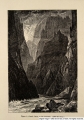
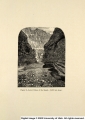
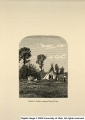
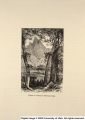
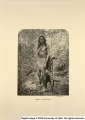
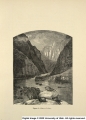
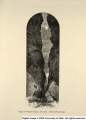
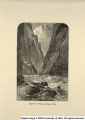
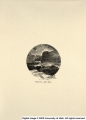
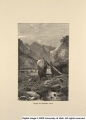
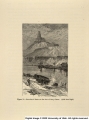
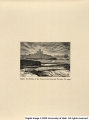
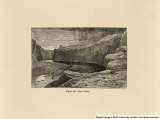
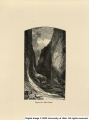
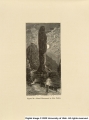
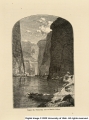
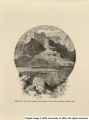
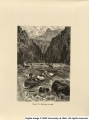
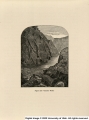
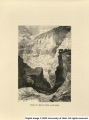
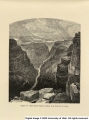
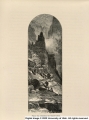
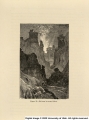
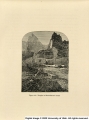
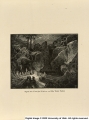
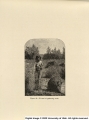
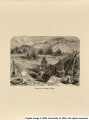
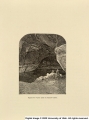
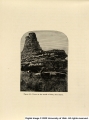
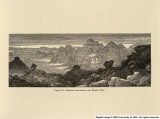
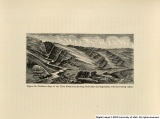
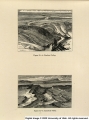
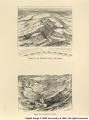
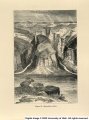
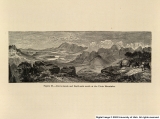
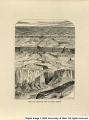
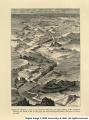
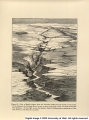
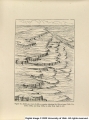
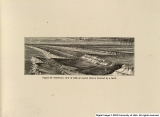
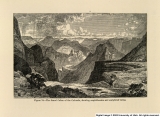
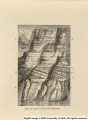
Show CHAPTER VI. FROM THE MOUTH OF THE UINTA RIVER TO THE JUNCTION OF THE GRAND AND GREEN. July 6. Start early this morning. A short distance below the mouth of the Uinta, we come to the head of a long island. Last winter, a man named Johnson, a hunter and Indian trader, visited us at our camp in White River Valley. This man has an Indian wife, and, having no fixed home, usually travels with one of the Ute bands. He informed me it was his intention to plant some corn, potatoes, and other vegetables on this island in the spring, and, knowing that we would pass it, invited us to stop and help ourselves, even if he should not be there; so we land and go out on the island. Looking about, we soon discover his garden, but it is in a sad condition, having received, no care since it was planted. It is yet too early in the season for corn, but Hall suggests that potato tops are good greens, and, anxious for some change from our salt meat fare, we gather a quantity and take them aboard. At noon we stop and cook our greens for dinner; but soon, one after another of the party is taken sick; nausea first, and then severd vomiting, and we tumble around under the trees, groaning with pain, and I feel a little alarmed, lest our poisoning be severe. Emetics are administered to those who are willing to take them, and about the middle of the afternoon we are all rid of the pain. Jack Surnner records in his diary that " Potato tops are not good greens on the sixth day of July." This eyening we enter another canon, almost imperceptibly, as the walls rise very gently. July 7.-We find quiet water to day, the river sweeping in great and beautiful curves, the canon walls steadily increasing in altitude. The escarpment formed by the cut edges of the rock are often vertical, sometimes terraced, and in some places the treads of the terraces are sloping. In these quiet curves vast amphitheaters are formed, now in vertical rocks, now in steps. |