| OCR Text |
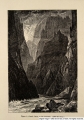
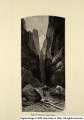
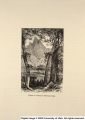
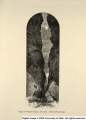
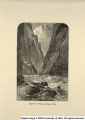
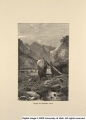
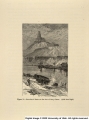
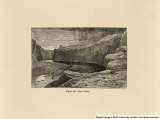
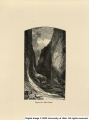
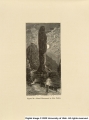
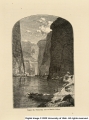
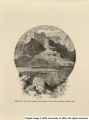
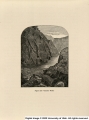
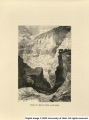
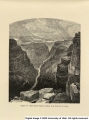
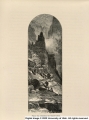
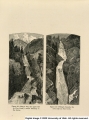
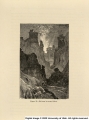
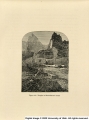
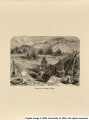
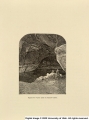
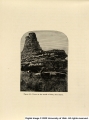
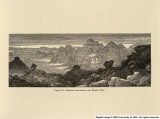
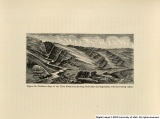
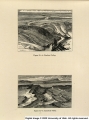
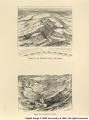
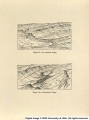
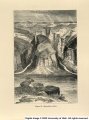
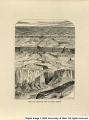
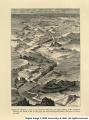
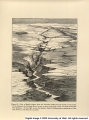
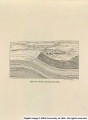
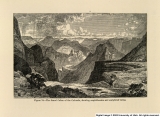
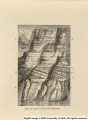
Show CANONS IN THE SANDSTONE. 179 Temple. They are due to the crumbling of softer rocks, which underlie harder beds, the friable material being carried away by springs, or wet weather streams. The greater number are found at the heads of little gulches. In many places the walls of the canon are of homogeneous sandstone, and where the river sweeps in a great curve at the foot of the wall, mural cliffs are found. The oak glens have been excavated by springs, and the alcoves are the channels of intermittent rills. Away from the river, on either side, there are broad stretches of naked sandstone, carved by the rains into gentle billows or mounds. As the rains gather into streams, the little valleys, or grooves, between the mounds become gulches, and where the smaller streams gather into larger the gulches become canons, often having vertical or even overhanging walls. When, in the progress of corrasion, these streams have cut through harder beds, and reach softer, the channels are seen to widen. The manner in which this widening occurs is curious. The streams are everywhere tortuous, and, as the power of the water is constantly exerted in corrasion, the streams are not only made deeper, but the curves are increased by methods well known to those who have studied the origin and change of river channels; so the walls are often undermined on the outer side of curves, and here overhanging cliffs are found. So these canons are not only flexuous in horizontal outline, but they are also flexuous in vertical outline, giving them warped or tortuous courses. The streams do not always cut channels with vertical walls. Occasionally, deep water-ways are found, with flaring walls to the very bottom. Such canons usually occur where the beds of streams are in rocks quite as hard, or even harder, than those above. A good illustration of such a channel is seen in Figure 48. Besides the grooves, gulches, and canons that head among the mounds, we have another class of water-ways, to which the former are sometimes tributary. Many streams come down from distant mountains, where they receive a more constant supply of water. They often run for many miles through narrow, winding canons, with walls so precipitous that they cannot be scaled, and they form impassable barriers to the traveler. |