| OCR Text |
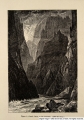
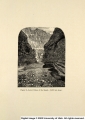
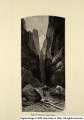
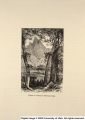
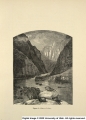
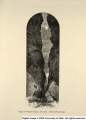
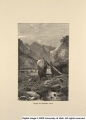
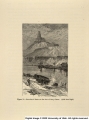
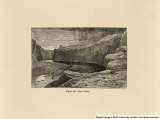
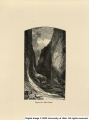
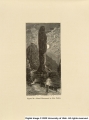
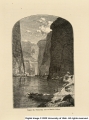
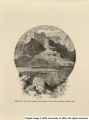
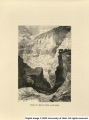
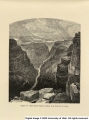
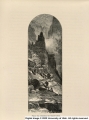
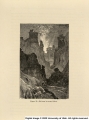
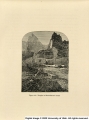
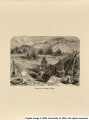
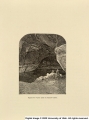
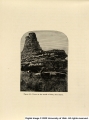
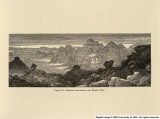
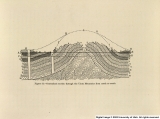
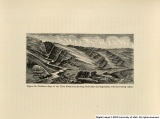
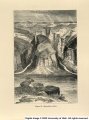
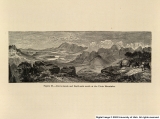
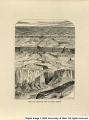
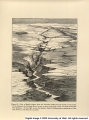
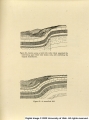
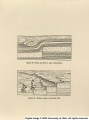
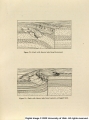
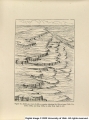
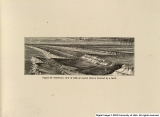
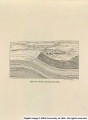
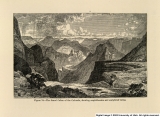
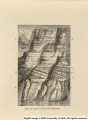
Show 178 EXPLORATION OF THE CANONS OF THE COLORADO. mountain is composed of sedimentary beds, and the summit of this, cooled lava. So even, these so called eruptive mountains were riot piled up, but were carved frdm beds of sedimentary and igneous matter. We have named this group, in honor of the Secretary of the Smith-sonian Institution, uHenry Mountains." A few miles below the mouth of the San Juan River we come to an interesting monoclinal fold, where the dip of the rocks is in a direction a little north of east; that is, the beds are dropped down on the Eastern side of the line, which trends nearly north and south, not broken off and dropped down, but flexed, or bent, so that the beds on the western side of the line are found at an altitude many hundreds of feet above those on the east, and farther down the river the rocks exposed at the water edge are of greater age than those above. Hereafter, in this discussion, I shall more fully explain the nature of these monoclinal folds and faults, and the topographic features to which they give origin. At the foot of this canon another monoclinal fold is seen, with the throw, or drop, also on the east side, or the uplift, if one is so pleased to term it, on the west side; and this brings up again Carboniferous sandstones and limestones. The surface of the country immediately outside the canon, along its whole course, is on the summit of the red Trias; but, away back on either side, we see long lines of towering cliffs, now running in this, now in that direction, still keeping their courses parallel to the axes of folds which are scattered in many directions over the country. A region more desolate, and, for all economic purposes, more valueless, perhaps, cannot be found on the continent. There are some features of this canon of great interest, which I have already mentioned in the account of the exploration. These are the chambers, or caves, found along the canon, at the foot of the wall, here and there, or in the side canons and gulches; the great mural cliffs, about sweeping curves of the river; terraced glens, where the walls are composed of well defined strata, with springs about which oaks and aspens grow; and the deep, narrow alcoves or side gulches. The origin of these chambers was explained in the mention of Music |