| OCR Text |
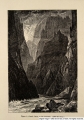
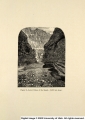
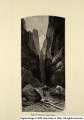
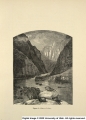
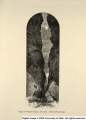
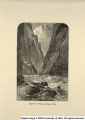
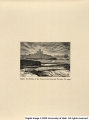
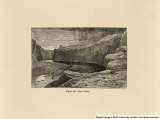
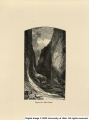
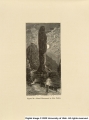
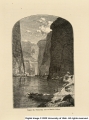
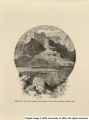
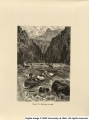
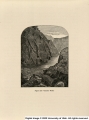
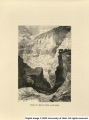
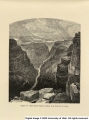
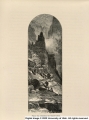
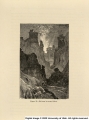
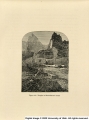
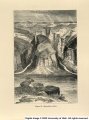
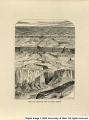
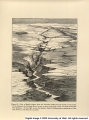
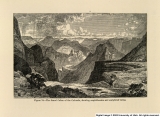
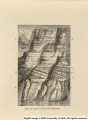
Show NOT A REGION OF MOST RAPID EROSION. 209 And yet the conditions necessary to great erosion in the Valley of the Colorado are not found to exceed those of many other regions. In fact, the aridity of the climate is such that this may be considered a region of lesser, rather than greater, erosion. We may suppose that, had this country been favored with an amount of rain-fall similar to that of the Appalachian country, and many other districts on the surface of the earth, that the base level of erosion of the entire area would have been the level of the sea; and, under such circumstances, though the erosion would have been much greater than we now find, the evidences of erosion would have been more or less obliterated. As it is, we are able to study erosion in this country, and find evidences of its progress and its great magnitude, from the very fact that the conditions of erosion have been imperfect. It is proper to remark here that erosion does not increase in ratio to the increase of the precipitation of moisture, c&teris paribus, as might be supposed; for, with the increase of rains there will be an increase of vegetation, which serves as a protection to the rocks, and distributes erosion more evenly, and it may be that a great increase of rains in this region would only produce a different series of topographic outlines, without greatly increasing the general degradation of the" Valley of the Colorado. To a more thorough discussion of this subject I hope to return at some future time. From the considerations heretofore presented, it is not thought necessary to refer the exhibition of erosion shown in the caiions and cliffs to a more vigorous action of aqueous dynamics than now exists, for, as I have stated, a greater precipitation of moisture would have resulted in a very different class of topographic features. Instead of canons, we should have had water-gaps and ravines; instead of valleys with cliff like walls, we should have had valleys bounded by hills and slopes ; and if the conclusions to which we'have arrived are true, the arid conditions now existing must have extended back for a period of time of sufficient length to produce the present canons and cliffs. But there are facts which seem to warrant the conclusion that this condition has existed for a much longer period than that necessary for the production of the present features; that is, the characteristics of the present topography have existed for a long time. There are 27 COL |