| OCR Text |
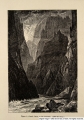
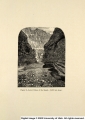
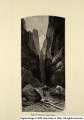
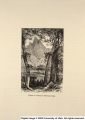
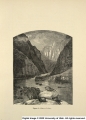
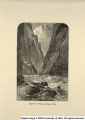
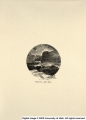
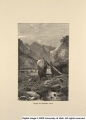
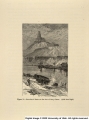
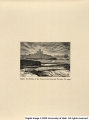
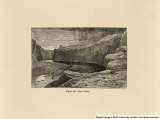
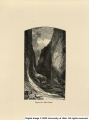
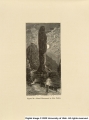
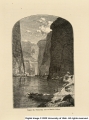
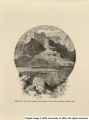
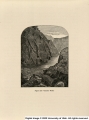
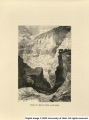
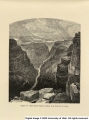
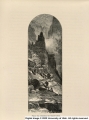
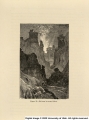
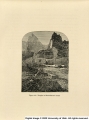
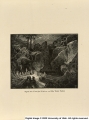
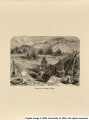
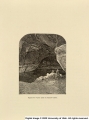
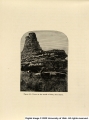
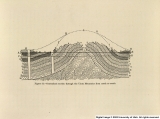
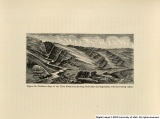
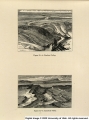
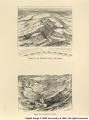
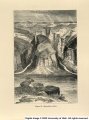
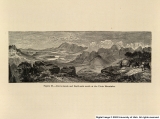
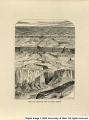
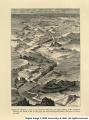
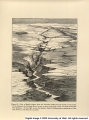
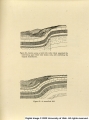
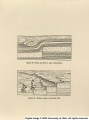
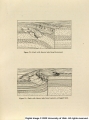
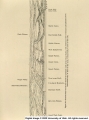
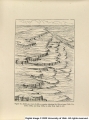
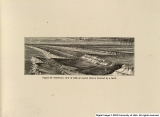
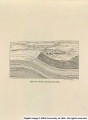
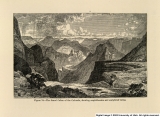
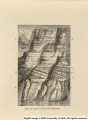
Show 94 EXPLORATION OF THE CANONS OF THE COLORADO. Though the river is rapid, we meet with no serious obstructions, and run twenty miles. It is curious how anxious we are to make up our reckoning every time we stop, now that our diet is confined to plenty of coffee, very little spoiled flour, and very few dried apples. It has come to be a race for a dinner. Still, we make such fine progress, all hands are in good cheer, but not a moment of daylight is lost. August 25.-We make twelve miles this morning, when we come to monuments of lava, standing in the river; low rocks, mostly, but some of them shafts more than a hundred feet high. Going on down, three or four miles, we find them increasing in number. Great quantities of cooled lava and many cinder cones are seen on either side; and then we come to an abrupt cataract. Just over the fall, on the right wall, a cinder cone, or extinct volcano, with a well defined crater, stands on the very brink of the canon. This, doubtless, is the one we saw two or three days ago. From this volcano vast floods of lava have been poured down into the river, and a stream of the molten rock has run up the canon, three or four miles, and down, we know not how far. Just where it poured over the canon wall is the fall. The whole north side, as far as we can see, is lined with the black basalt, and high up on the opposite wall are patches of the same material, resting on the benches, and filling old alcoves and caves, giving to the wall a spotted appearance. The rocks are broken in two, along a line which here crosses the river, and the beds, which we have seen coming down the canon for the last thirty miles, have dropped 800 feet, on the lower side of the line, forming what geologists call a fault. The volcanic cone stands directly over the fissure thus formed. On the side of the river opposite, mammoth springs burst out of this crevice, one or two hundred feet above the river, pouring in a stream quite equal in volume to the Colorarlo'Chiquito. This stream seems to be loaded with carbonate of lime, and the water, evaporating, leaves an incrustation on the rocks; and this process has been continued for a long time, for extensive deposits are noticed, in which are basins, with bubbling springs. The water is salty. We have to make a portage here, which is completed in about three hours, and on we go. |