| OCR Text |
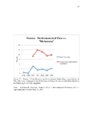
Show 165 three data points as there were elections in 2004, 2009, and 2014. Since there are more observations at the national level and fewer at the EU level, I think this is an aspect that deserves to be further explored and future research can verify my tentative finding. Final Conclusions Niche parties are a growing presence in European states, as discussed at the outset of this chapter, and they have, and will continue, to challenge the party systems in their countries by often surpassing the third or second most influential mainstream parties. Likewise, these parties are participating in governing coalitions and shaping policy directly and indirectly. Even though they are often considered small parties, they can pack a punch. Their patterns of electoral success have varied, but the primary explanations have focused on institutions, socioeconomic conditions, and strategy. This project enhanced the strategic explanation by incorporating not only the strategies of mainstream parties but also niche parties. Both are actors, making decisions that will influence their electoral fortunes. In fact, this does seem to be one of the missing puzzle pieces. In looking at the environmental and MCCP niche parties, this project provided a more complete understanding by revealing that decisions to participate in an electoral alliance or governing coalition may not be in the short-term interest of a niche party. Additionally, the platforms of the niche parties help shape their destinies. MCCP can be rewarded at the ballot box when they further emphasize their minority containment/cultural protection niche but environmental niche parties walk a fine line where being too "dark green" may be counterproductive. The second contribution of this project was the strategic interaction model that |