| OCR Text |
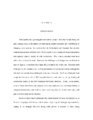
Show 30 Electoral System The first factor is the type of electoral system, which can fall into one of three general categories: proportional representation (PR), majoritarian/plurality, or mixed. The primary difference between PR and majoritarian is how votes are translated into seats in the legislature. In PR, although the exact formulas (D'Hondt or St. Lagüe) differ, the percent of the vote received is somehow proportional to the number of seats received. In a majoritarian system however, seats are only awarded to parties who obtain either a simple or absolute majority of the votes in districts (Carter 2004, 88-90; Farrell 2011; Gallagher and Mitchell 2008). To illustrate, a small party who received 10 percent of the national vote would be likely to gain roughly 10 percent of the seats in a pure PR system but would be unlikely to receive any seats in the national legislature under a majoritarian system unless its support was concentrated in one specific region or district. The majoritarian electoral system, in other words, disproportionately penalizes small parties with diffuse support (Veugelers and Magnan 2005). One would expect the electoral success of niche parties to be higher in countries with PR rather than majoritarian systems. This thinking is supported by Ezrow, who stated, "I find that proportional electoral systems promote greater numbers of niche parties and their combined vote share via their impact on party system size. This finding highlights the permissive role that electoral rules play in fostering niche party success" (2010, 81). Hypothesis 1: Niche parties competing in countries with a proportional representation (PR) electoral system are more likely to achieve higher levels of electoral success (percent of the vote, number of seats, and movement of mainstream parties to address niche issues) than those niche parties competing in countries with a majoritarian or mixed electoral system. |