| OCR Text |
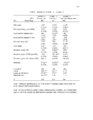
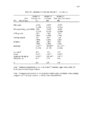
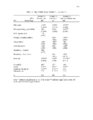
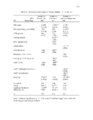
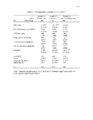
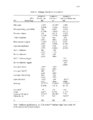
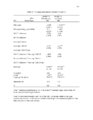
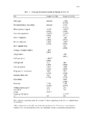
Show 124 green" compared to PM, even if that was not their strategy. Almost 24 percent of LMP's platform was dedicated to environmental issues, which was even slightly higher than in the 2010 election. In contrast, PM's platform dedicated only 3.5 percent to environmental issues, so clearly the emphasis was more on fighting Orbán and preserving democracy. When put to the test, PM, in competing against its splinter, running in an electoral alliance, and deemphasizing environmental issues did not come out on top. As part of the Unity Alliance, PM secured only one seat and the LMP on its own won five seats. Despite what many I interviewed suggested, the LMP ended up being more successful. Thirdly, the presence of a rival or splinter party barely lost its .05 significance level when robust standard errors were employed, but given that it was close, it is worth mentioning that its impact is similar to that of the coalition independent variable. Niche parties facing one or more rivals or splinters in an election are expected see their percent of the vote decrease by about 1.4, which supports H22. In considering a broader picture, if a niche party found itself facing a rival party and having had prior coalition experience, it could see a three percent decrease in its percent of the vote, which could be enough to prevent it from passing the electoral threshold in some countries. This indicates, then, that niche parties need to consider their options carefully, either quelling discontent in the party to prevent it from splintering or carefully weighing the pros and cons of supporting a governing coalition, since this can impact future success. The interviews revealed that it may not take going so far as to splinter to hamper electoral success, rather a serious case of internal discontent may result in the same conclusion. As Bas Eickhout, a member of the European Parliament (MEP) from the |