| OCR Text |
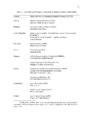
Show 13 to their widespread existence, which facilitates comparability, I include these two types of niche parties in my analysis in order to develop and test my strategic interaction model. While other niche parties do exist, they are outside the scope of this project. However, they will be utilized for future research and to further test the strategic interaction model.5 As mentioned, the two types of niche parties included are an environmental niche and a minority containment/cultural protection (MCCP) niche. The environmental niche is relatively self-explanatory and covers parties who were established to address a variety of issues like nuclear energy and waste, pollution, and climate change. The other niche requires a bit more explanation. The label "minority containment/cultural protection" is, first off, meant to be broad enough to account for variation between countries and regions. To illustrate, in Western Europe, immigrant populations have largely been targeted, but in the former communist countries of Central and Eastern Europe, where there is often still more emigration than immigration, the targets are ethnic-minority groups, so the term "minority containment" applies to both situations. Essentially, this label allows me to capture parties who are similar but vary around this theme-fear of the "other" and/or fear for their culture or identity. Another reason for this label is that it aims to be judgment free. Most outside observers characterize this niche as xenophobic or anti-immigrant, but the parties themselves often reject, in some cases vehemently, these terms as well as being categorized as part of the radical right. They do not see themselves as against others but rather for, or the protectors of, the native inhabitants, their interests, and culture. 5 Other niches, for future research and testing, include Euroskeptic parties, ethnoterritorial parties, pirate parties, and antitax parties. |