| OCR Text |
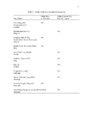
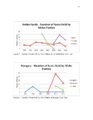
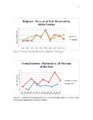
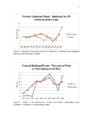
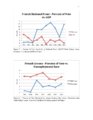
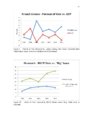
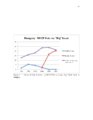
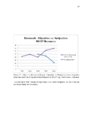
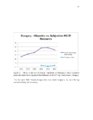
Show 52 postmaterialist slant emerge among its population. Hypothesis 12: Environmental niche parties are more likely to experience greater levels of electoral success (percent of the vote, number of seats, and movement by mainstream parties on niche issues) as the GDP per capita increases whereas MCCP niche parties are likely to experience lower levels of electoral success. The third, and final, measure is employment in the service sector. As the number of people employed in the service sector increases, it is a sign that employment in more traditional sectors like agriculture is decreasing (Eatwell 2000, 415-416). People employed in the service sector are more likely to fall into the postmaterialist camp because there is relatively more job security than, for instance, in agriculture, where one could face droughts, floods, or changing commodity prices, or manufacturing, where one could face offshoring. As with the other postmaterialist factors, there is a sizable, roughly 10 percent, difference between the Western European states and Eastern Europe. In France, the Netherlands, and Denmark, over 70 percent of the total workforce is employed in services (France 74.9 percent in 2012, Netherlands 72.2 percent in 2012, and Denmark 77.6 percent in 2011). In contrast, in Hungary, employment in services is 64.5 percent of the total workforce as of 2014. Hypothesis 13: Environmental niche parties are more likely to experience greater levels of electoral success (percent of the vote, number of seats, and movement by mainstream parties on niche issues) as the percent of the workforce employed in services increases whereas MCCP niche parties are likely to experience lower levels of electoral success. In sum, there are differences between the states in Western Europe and Eastern Europe that indicate varied entrenchment of postmaterialist ideals. Denmark appears to be the most postmaterialist of the four - having the highest GDP per capita and largest portion of its total workforce employed in services - while Hungary is the least. Based on Inglehart's thesis then, one would expect environmental niche parties to generally be |