| OCR Text |
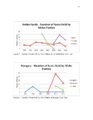
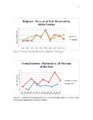
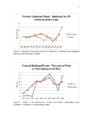
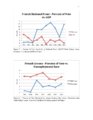
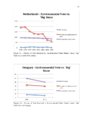
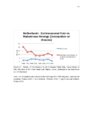
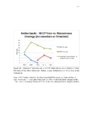
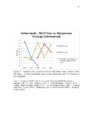
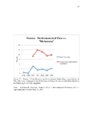
Show 60 the right and then the other top party regardless of ideological position), and permits for the presence of additional niche rivals or splinters. This latter situation is counted as a strategic factor that will shortly be addressed in more detail in this chapter. Hypothesis 16: If the mainstream parties dismiss the niche party issue (environmental or MCCP), by maintaining or decreasing the percent of their platform dedicated to the niche party's issue, the electoral success (percent of the vote and number of seats) of the niche party will increase. The converse, an accommodative strategy, is where mainstream parties increase their platform dedication to the niche issue and is expected to decrease niche party electoral success.14 Hypothesis 17: If the mainstream parties pursue an adversarial strategy in regard to the niche party issue (environmental or MCCP), by maintaining or increasing the percent of their platform dedicated to the opposing stance or position relative to the niche party's issue, the electoral success (percent of the vote and number of seats) of the niche party will increase.15 In looking at the case of the Netherlands, to gain some initial insight, it appears the mainstream parties, presented in Figures 19-20 together as a sum, pursued an accommodative or convergence strategy. For example, the mainstream parties dedicated the greatest percentage of their party manifestos to the environmental niche in the year the niche party first emerged. From that point on, it is a relatively direct relationship. Slight increases or decreases in how much the mainstream parties dedicated their manifestos to the niche issue appear to coincide with slight increases and decreases in electoral success for the Green Left (GL). This is unexpected since the niche party is achieving higher levels of success when the mainstream parties give the niche issue more attention. Perhaps the mainstream parties are drawing attention to the issue while, at the 14 This particular variable, percent of mainstream parties' platform dedicated to the niche issue, is both a dependent variable and an independent variable. Here is it presented as the independent variable, so it has been removed as one type of electoral success, a dependent variable, from Hypotheses 16, 17, and 19. 15 This data on an adversarial, opposing position, strategy is only available for the MCCP niches. The Manifesto Research Group has categories for both positive and negative mentions of things like "national way of life" and "multiculturalism" but do not have similar negative mentions for the environmental categories. |