| OCR Text |
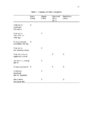
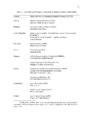
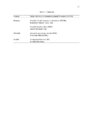
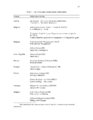
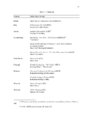
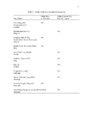
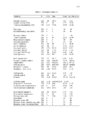
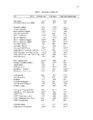
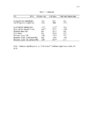
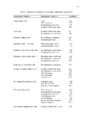
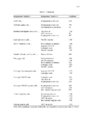
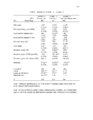
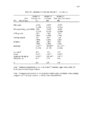
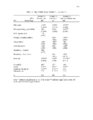
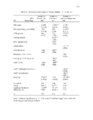
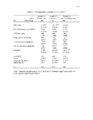
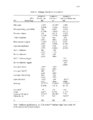
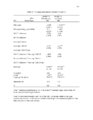
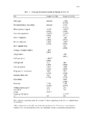
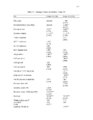
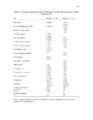
Show 108 Models for Individual Hypotheses and Variable Clusters To test the existing explanations and variable clusters of institutions, socioeconomics, and strategy, I ran each as separate models against the three dependent variables. While I compared FE and RE models and examined the Hausman test results, looking for the greatest explanatory power for each cluster, in most cases the RE models were the most enlightening. The results are presented in Tables 9-15.27 What is striking about looking at the model that tests the variable clusters is that, individually, they lack strong explanatory power. For example, very few of the institutional and socioeconomic variables were able to explain the variation in the percent of the vote received by a niche party dependent variable. This lends support to the strategic interaction model-that it is necessary to look at how party strategies play out in a given socioeconomic and institutional context-to really explain the variation in the electoral fortunes of niche parties. Institutional Cluster The institutional cluster of variables, which are essentially the rules of the game that constrain or facilitate opportunities for electoral success, and should affect all niche parties in a similar fashion, relates to Hypotheses 1-4 from Chapter II. Table 9 shows that the institutional factors best explain the number of seats a niche party receives dependent variable and least explain the "nicheness" of the top three mainstream parties' platforms dependent variable, where none of the independent variables were statistically significant. 27 While not included in the tables, variance inflation factors (VIFs) were run on all models to test for multicollinearity. Most VIFs were under 3 and the highest was 7.39, which, not surprisingly, was for a model with interaction terms. Even this result, however, is less than 10, which is used as a general guideline to indicate when multicollinearity problems might be present. |