| OCR Text |
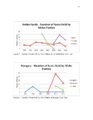
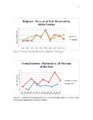
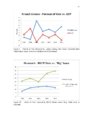
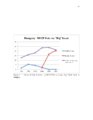
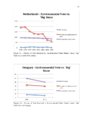
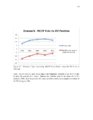
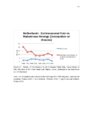
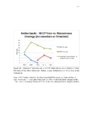
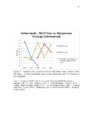
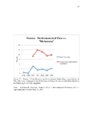
Show 61 same time, are not seen by voters as being the party best able to address the issue. The expected relationship is, however, seen for the Dutch MCCP Pim Fortuyn's List (LPF) where the mainstream parties' jump in attention devoted to the MCCP niche issue from 2002 to 2003 corresponds with a significant loss for the LPF. How much of this was due to the decisions made by the mainstream parties to coopt the MCCP issue will be a matter for further analysis in Chapter III. The LPF is a unique case in that its initial electoral success came on the heels of the party founder's assassination (van Kessel 2013, 182-3). Is the decline of the LPF due to mainstream strategy, the fact that the party imploded without the presence of Pim Fortuyn, or some of both? From that pinnacle in 2003, the mainstream parties in the Netherlands have continued to pay less attention in their manifestos to the MCCP niche issue yet the newer MCCP niche party, Party for Freedom (PVV), has experienced varied electoral success over the same period. There is one other aspect that can be examined here - does the decline in mainstream party attention to the niche issue signify movement to an adversarial strategy (Figure 21)? That does not appear to be the case in the Netherlands, where mainstream parties consistently dedicate more of their manifestos to negative mentions (in line with the MCCP position) than positive mentions, but the change in positive mentions does have the expected inverse relationship. In elections where the mainstream parties took a more vocal opposing stance, reflected in higher percentages in the manifestos, on MCCP issues, the PVV saw a decline in the percent of vote it received and vice versa. |