| OCR Text |
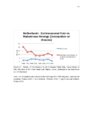
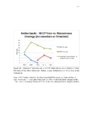
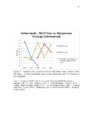
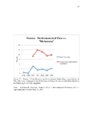
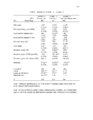
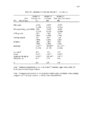
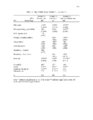
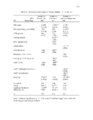
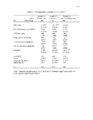
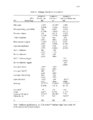
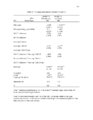
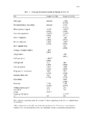
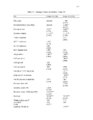
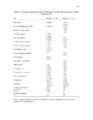
Show 118 vote dependent variable, and the "nicheness" of the mainstream parties' platforms (the only independent variable that is statistically significant in Model 6.3). The left-right score is a scale of -100 to 100 where -100 is extreme left and 100 is extreme right. The slope coefficients can be interpreted so that for every one increase on the left-right scale (i.e., becoming more extreme right), the percent of the vote a niche party receives (-.04) and the attention mainstream parties pay to niche issues in their party platforms (-.30) both decrease. In other words, becoming more extreme right can slightly hinder two forms of electoral success for niche parties. Yet, even the environmental niche of France, Europe Ecology-The Greens (EELV), notes the dangers of becoming too tied to one side of the ideological spectrum. Daniel Cohn-Bendit, former leader of the French Greens (Les Verts) and a member of the European Parliament (MEP), explained this in an interview and article from the New York Times. "Mr. Cohn-Bendit attributes the E.E.L.V.'s political failure to its refusal to open the ecologist movement to the entire political spectrum, as has happened in Germany. Instead, the French party got swept up in the clannish politics of the French left - what Mr. Cohn-Bendit calls ‘leftist infantilism' - resulting in amoeba-like splits along personal and ideological lines" (Bohlendec 2015). While niche parties may draw more voters and support from a particular side of the ideological spectrum, becoming too extreme or entrenched can be problematic. Overall, these findings reveal that strategic choices, individually, and in interaction with each other, can shed some light on variations in niche party success, particularly in looking at the percent of vote dependent variable. In looking by variables clusters and testing the individual hypotheses presented in |