| OCR Text |
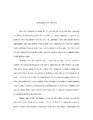
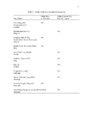
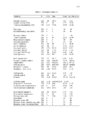
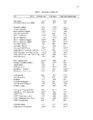
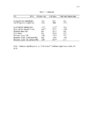
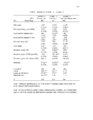
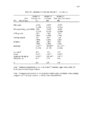
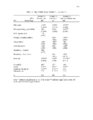
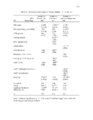
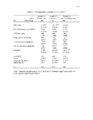
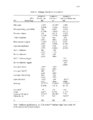
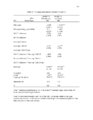
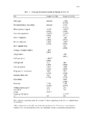
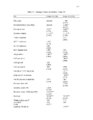
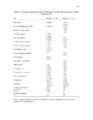
Show 99 environmental interaction is negative (r = -.294). This seems to indicate that an environmental niche can be too green, and that there is a point at which dedication to the niche will come at the expense of electoral success. From the socioeconomic independent variables, few were statistically correlated with this first dependent variable: the international migrant stock (r = .268), unemployment and its lagged version (r = .137 and r = .141, respectively) and the interaction of these two factors (r = .288). These are all positive, which suggests that as conditions worsen, unemployment rises, and the international migrants become a larger portion of the total population, the percent of the vote received by niche parties increases. This would be in line with the conditions conducive to MCCP niche party success, although the type of party cannot be controlled for here. GDP per capita (r = .164) and employment in services (r = .226) are also positive and statistically significant, so as these indications of a postmaterialist society increase, so too does the percent of the vote received by niche parties. Like with the socioeconomic variables, very few, only two in this instance, of the institutional independent variables are significantly correlated with the percent of the vote. Both are based on prior electoral success in European Parliament elections: percent vote (r = .418) and seats (r = .194). Gaining votes and/or seats in these secondorder supranational elections increases the percent of the vote received by niche parties in national elections. |