| OCR Text |
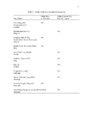
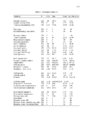
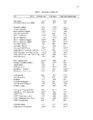
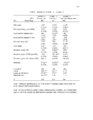
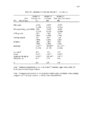
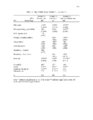
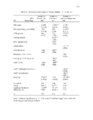
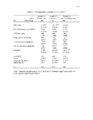
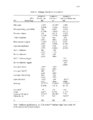
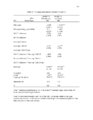
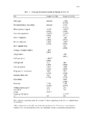
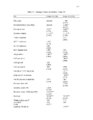
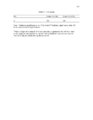
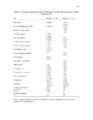
Show 112 socioeconomic conditions of a country can get mainstream parties to pay slightly more attention to niche issues in their party platforms. Moreover, the interaction of two of these independent variables, GDP growth and electricity from fossil fuels, was also statistically significant (.03), meaning that mainstream parties pay more attention to niche issues in their platforms when faced with GDP growth coupled with growing use of fossil fuels to generate electricity. This supports H15. What is also worth noting is that, in looking at Table 12 and Model 4.3, GDP growth is still significant, like in Model 2.3, but the sign has changed (-1.72), whereas electricity from fossil fuels is no longer statistically significant. This would seem to indicate that interaction terms are revealing, and need to be included, since what may or may not be significant individually can change in the presence of other variables. As mentioned, while socioeconomic factors provided some insight into the "nicheness" of the mainstream platforms dependent variable, it was less able to explain the percent of the vote dependent variable. Daniel Cohn-Bendit, former leader of the French Greens (Les Verts, later EELV) and a former member of the European Parliament (MEP), touched upon this in an interview and article from the New York Times. According to the interviewer, Bohlendec, "Mr. Cohn-Bendit believes that as a political force, French environmentalists have difficulty translating popular awareness into the kind of political action that can hold its own against powerful lobbies and economic interests at a time when the French economy is stagnant" (2015). Cohn-Bendit went on to add, "There is resistance from industry, from oil companies and producers. We also need to reduce consumption, which is not always popular" (Bohlendec 2015). In this case, it is not simply a matter of persuading voters when socioeconomic conditions are |